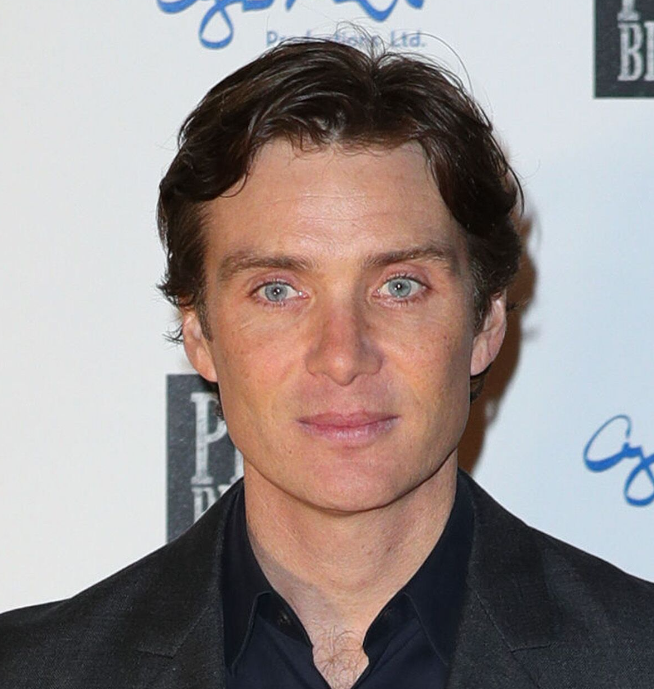
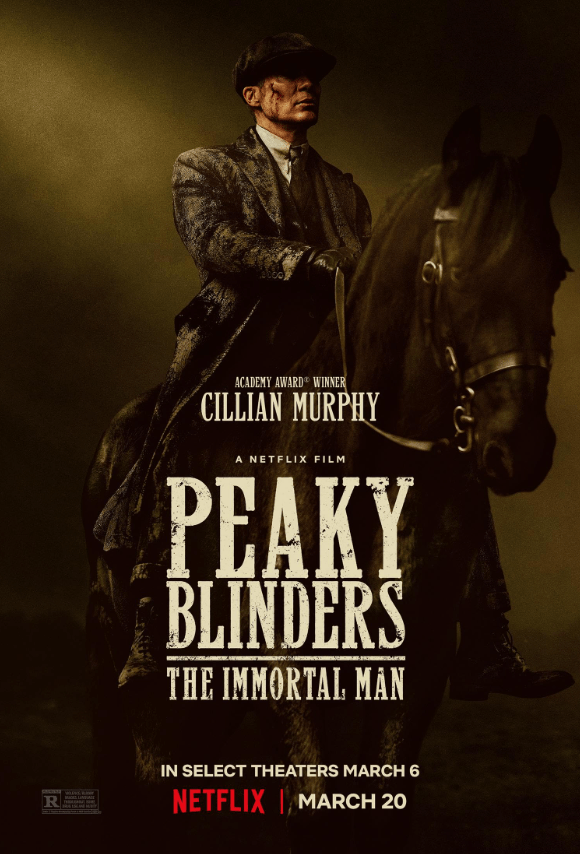
Cillian (pronounced “Kill-ee-un”) Murphy, with his striking blue eyes and piercing expressions, has established himself as one of the most impressive big-screen Irish actors of his generation. After his earliest feature appearances in Irish movies like
The Tale of Sweety Barrett (1998) and a starring role in writer-director Nelson Hume’s comedy-drama,
Sunburn (1999), Murphy was cast by writer-director William Boyd for his co-produced U.K.-French WW1 drama,
The Trench (1999), which included a cast of many future stellar Anglo-Irish stars including Daniel Craig, Paul Nicholls, James D’Arcy, and
Ben Whishaw.
Murphy landed a starring role in his first movie to receive significant distribution, writer-director John Carney’s comedy-drama,
On the Edge (2001), with Stephen Rea, released by Universal Focus. Cillian Murphy worked with his first world-class director, Serbian filmmaker Goran Paskaljević, for
How Harry Became a Tree (2001), with Colm Meaney, Adrian Dunbar, and Kerry Condon, premiering at the Venice film festival, followed by Murphy starring in Edna Walsh’s drama,
Disco Pigs (2001), with Elaine Cassidy.
The first major hit of Murphy’s career was marked by his starring role in Danny Boyle’s horror movie,
28 Days Later (2002), with Naomie Harris, Christopher Eccleston, and
Brendan Gleeson, and earning $84.6 million for Fox Searchlight Pictures. Murphy then joined a stellar Irish/Scots cast (
Colin Farrell, Kelly Macdonald, Meaney, and Shirley Henderson) for the John Crowley-directed black comedy,
Intermission (2003).
Cillian Murphy entered a new phase of his growing career in bigger international and Hollywood movies with a supporting role in the acclaimed, Peter Webber-directed period drama,
Girl with a Pearl Earring (2003), starring Colin Firth,
Scarlett Johansson, Tom Wilkinson, and Essie Davis, and profiting with $31.4 million worldwide after a Telluride film festival premiere, and earning three Oscar nominations.
Murphy’s first role in a big Hollywood production was in writer-director Anthony Minghella’s version of Charles Frazier’s revered novel,
Cold Mountain (2003), starring Jude Law,
Nicole Kidman, Renée Zellweger (winning the Best Supporting Actress Oscar), Eileen Atkins, Brendan Gleeson, Philip Seymour Hoffman, Natalie Portman, Giovanni Ribisi, Donald Sutherland, and Ray Winstone, and grossing a solid $173 million, and earning six Oscar nominations and 13 BAFTA nominations.
Cillian Murphy’s first of several collaborations with filmmaker
Christopher Nolan was his turn as Scarecrow in Nolan’s imposing DC Cinematic Universe movie,
Batman Begins (2005), opposite
Christian Bale, Michael Caine,
Liam Neeson, Katie Holmes, Gary Oldman, Tom Wilkerson, Rutger Hauer, Ken Watanabe, and Morgan Freeman, grossing a strong $373.7 million and launching The
Dark Knight Trilogy.
Murphy’s first major bad-guy role in a Hollywood movie was opposite
Rachel McAdams in the Wes Craven-directed airline thriller,
Red Eye (2005), with Brian Cox and Angela Paton, earning a potent $96 million globally. Murphy was directed for the first time by leading Irish writer-director Neil Jordan as a transgender character in
Breakfast on Pluto (2005), with Stephen Rea, Gleeson, Neeson, and Ruth Negga, and which premiered at the Telluride film festival.
Cillian Murphy’s greatest artistic triumph to that point in his career happened with his starring role in the Ken Loach/Paul Laverty drama on the Irish War of Independence,
The Wind That Shakes the Barley (2006), winner of the Cannes Film Festival’s Palme d’Or, co-starring Liam Cunningham and Pádraic Delaney while earning Murphy multiple awards nominations including from the European Film Awards and the British Independent Film Awards.
Murphy starred in his second movie with director Danny Boyle, the sci-fi adventure,
Sunshine (2007), with Rose Byrne, Cliff Curtis,
Chris Evans, Troy Garity, Hiroyuki Sanada, Benedict Wong,
Michelle Yeoh, and Mark Strong, but losing money for its U.K.-U.S. producers as well as distributor Fox Searchlight. Murphy’s second collaboration with Christopher Nolan was simply a cameo as Dr. Crane/Scarecrow in
The Dark Knight (2008), followed by Murphy playing support to leads Keira Knightley and Sienna Miller in the John Maybury-directed
The Edge of Love (2008), with Matthew Rhys, and which premiered at the Edinburgh film festival.
Murphy starred opposite Brendan Murphy in the Irish crime comedy,
Perrier’s Bounty (2009), with Jim Broadbent and Jodie Whittaker, launched at the Toronto Film Festival. With writer-director Michael Lander, Murphy starred with Elliot (then-Ellen) Page, Susan Sarandon, Josh Lucas, Bill Pullman, and Keith Carradine in the little-seen thriller,
Peacock (2010), followed by the filmed but unreleased Beeban Kindron-directed British drama,
Hippie Hippie Shake, in which Murphy starred with a notable cast including Sienna Miller, Max Minghella, Emma Booth, Hugh Bonneville, Chris O’Dowd, and Derek Jacobi, but cancelled by producers Working Title Films.
Cillian Murphy’s third project with Christopher Nolan was a supporting role in the visually stunning sci-fi drama,
Inception (2010), starring
Leonardo DiCaprio, Ken Watanabe, Joseph Gordon-Levitt, Marion Cotillard, Elliot Page, Tom Hardy, Tom Berenger, and Michael Caine, which won eight Oscar nominations (and four Oscar wins) along with a major-league global gross of $837 million.
After Murphy starred in the British viral-themed thriller,
Retreat (2011), from writer-director Carl Tibbetts and co-starring Thandiwe Newton and Jamie Bell, Murphy played support to co-stars Amanda Seyfried and Justin Timberlake in director/writer/producer Andrew Niccol’s poorly-received “retrofuturist” sci-fi movie,
In Time (2011), but grossing a profitable $174 million for New Regency/20
th Century Fox.
Another badly reviewed movie—this time with Murphy in the lead—was Spanish director/writer/producer Rodrigo Cortés’ English-language supernatural thriller and commercial dud,
Red Lights (2012), co-starring Sigourney Weaver,
Robert De Niro, Toby Jones, Joely Richardson, and Elizabeth Olsen. Cillian Murphy then co-starred with Tim Roth in the acclaimed British coming-of-age drama,
Broken (2012), launched at the Cannes Film Festival and based on Daniel Clay’s 2008 novel inspired by Harper Lee’s classic 1960 novel,
To Kill a Mockingbird.
Once again, Murphy did a cameo for filmmaker Nolan in the third entry in the
Dark Knight Trilogy,
The Dark Knight Rises (2012), and then joined Peruvian filmmaker Claudia Llosa for her first English-language film,
Aloft/No Llores Vuela (2014), co-starring
Jennifer Connelly and Melanie Laurent, and which premiered in competition in the Berlin film festival. Murphy then played a supporting role opposite star Johnny Depp in the expensive ($100 million) Wally Pfister-directed box-office bomb for Warner Bros.,
Transcendence (2014), with Morgan Freeman, Rebecca Hall, Kate Mara, Cole Hauser, and Paul Bettany.
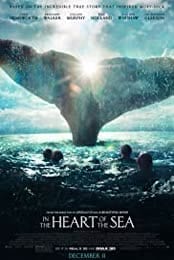
Cillian Murphy joined director Ron Howard for
In the Heart of the Sea (2015), an epic but commercially failed version of Nathaniel Philbrick’s book depicting the true story which partly inspired Herman Melville in his writing of
Moby-Dick, or The Whale, co-starring
Chris Hemsworth, Benjamin Walker,
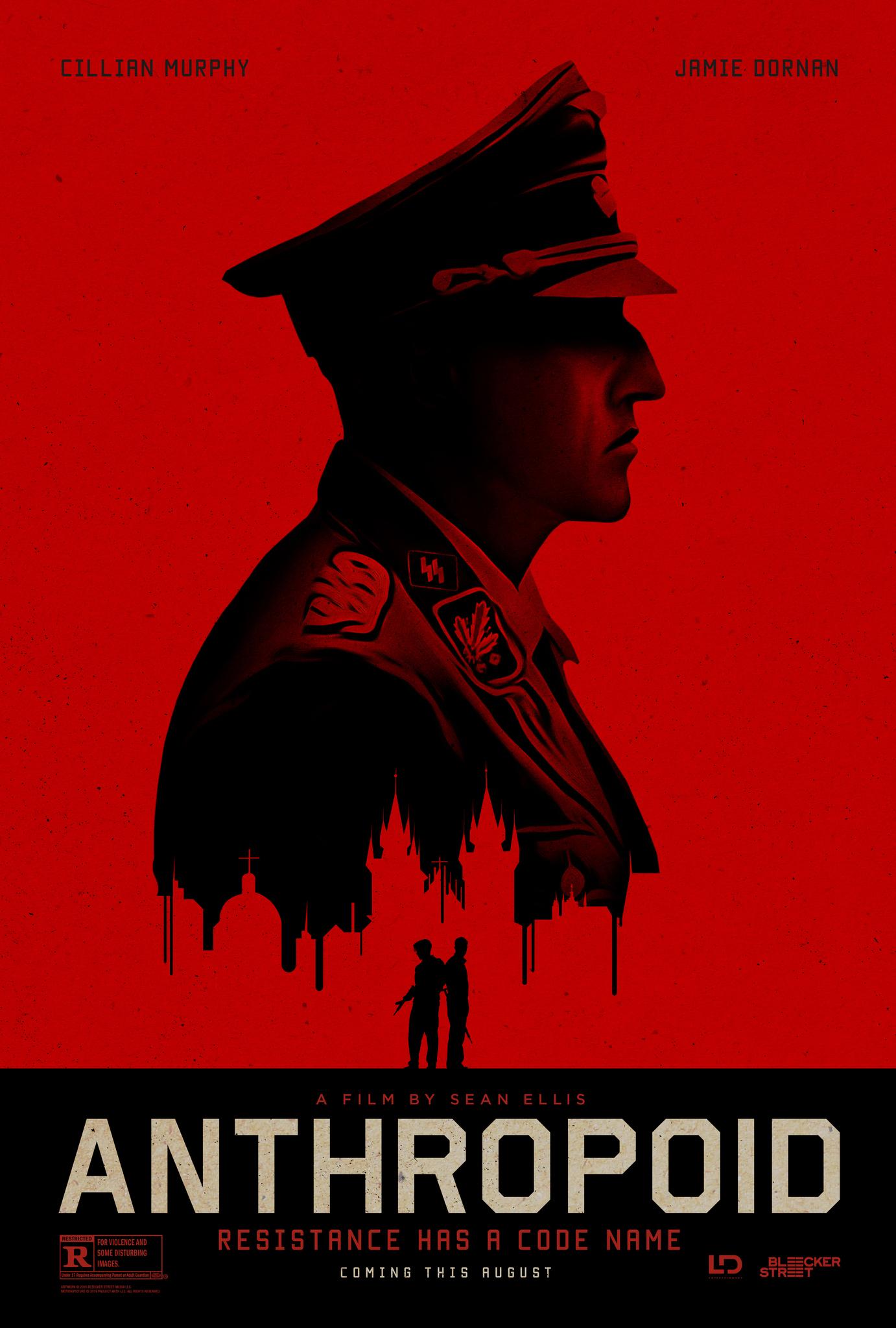
Tom Holland, Ben Whishaw, and Brendan Gleeson. Murphy then starred in writer-director Sean Ellis’ Czech-U.K.-France WW2 drama,
Anthropoid (2016), with Jamie Dornan, Charlotte Le Bon, Harry Lloyd, and Toby Jones, which premiered at the Karlovy Vary film festival.
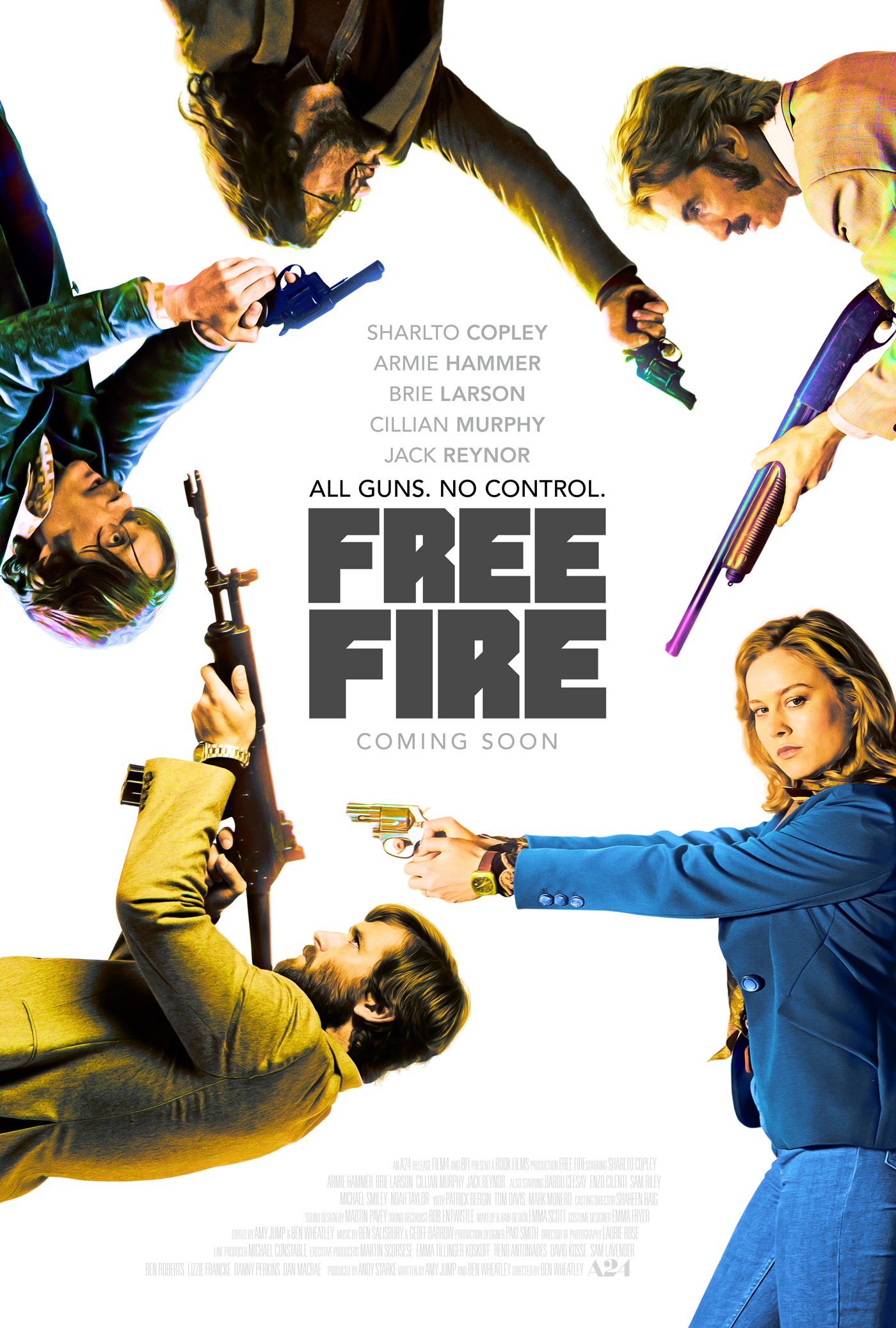
In a change of pace, Murphy joined indie British filmmaker Ben Wheatley’s raucous, violent
Free Fire (2016), co-written by Amy Jump, with an ensemble including Sharlto Copley, Armie Hammer, Brie Larson, Jack Reynor, Sam Riley, and Noah Taylor, and launched at the Toronto film festival. British filmmaker Sally Potter picked Murphy for her black-and-white comedy,
The Party (2017), alongside the stellar ensemble of Patricia Clarkson, Bruno Ganz, Cherry Jones, Emily Mortimer, Kristin Scott Thomas, and Timothy Spall, and winning the Guild Film Prize at the Berlin film festival.
Cillian Murphy reunited once again with Christopher Nolan for his meticulous and gripping IMAX-shot depiction of the pivotal WW2 battle,
Dunkirk (2017), joining another powerhouse ensemble of young and veteran actors including Fionn Whitehead, Tom Glynn-Carney, Jack Lowden,
Harry Styles, Tom Hardy, Aneurin Barnard, James D’Arcy, Barry Keoghan,
Kenneth Branagh, and Mark Rylance, winning three of eight Oscar nominations (including Best Picture and Nolan’s first Best Director nod), grossing a strong $527 million for Warner Bros.
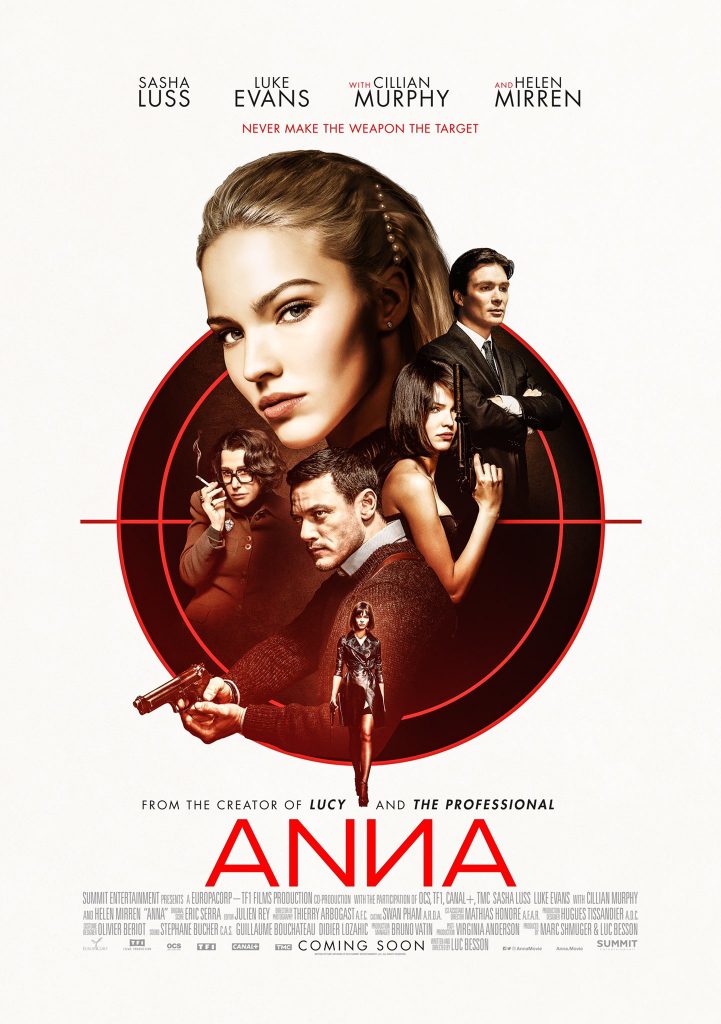
Cillian Murphy joined producer/director/writer
Luc Besson for his failed espionage thriller,
Anna (2019), co-starring Sasha Luss, Luke Evans, and Helen Mirren, losing money for its international roster of production companies from France, the U.S., and Portugal and distributors Lionsgate and Pathé Distribution. For the strong sequel,
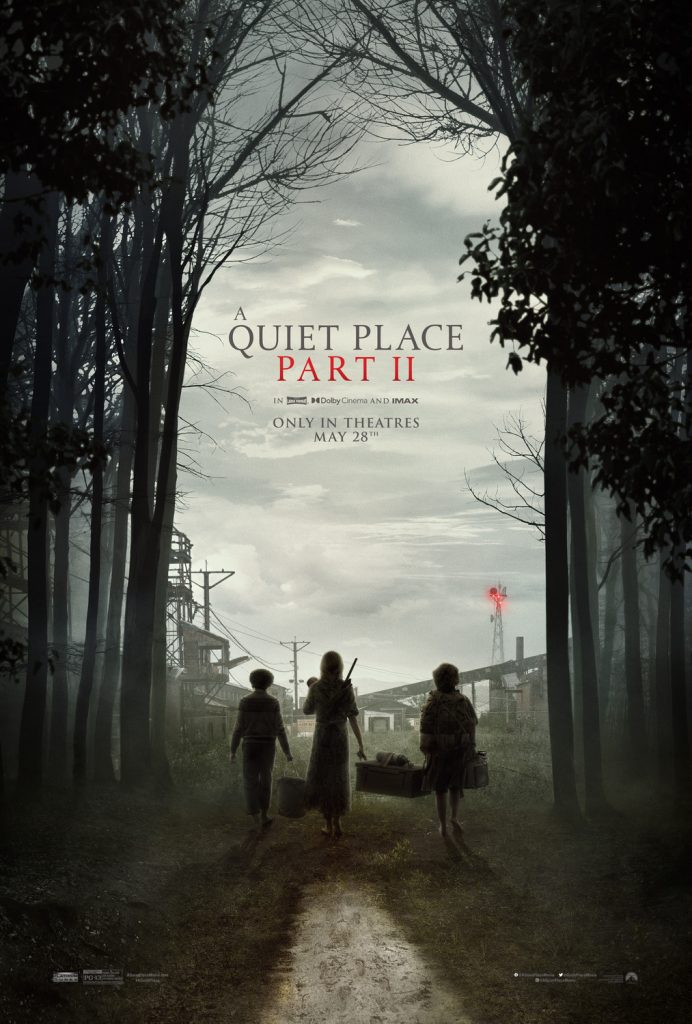
A Quiet Place Part II (2020), the John Krasinski-written-and-directed horror movie, Murphy was a new cast member alongside
Emily Blunt, Millicent Simmonds, Noah Jupe,
Djimon Hounsou, and Krasinski, and grossing a strong $297.4 million globally.
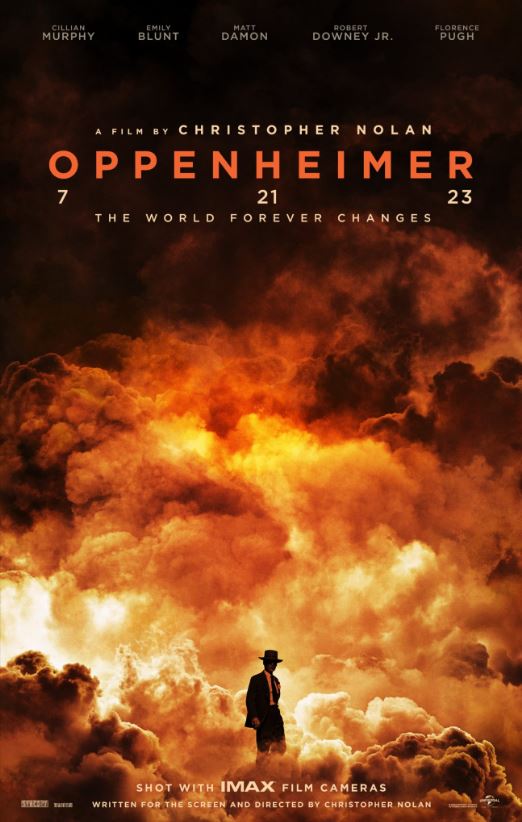
In the grandest role of his career to date, Cillian Murphy was cast by his longtime filmmaking director mate, Christopher Nolan, in the complex role of nuclear physicist J. Robert Oppenheimer in Nolan’s IMAX-filmed epic,
Oppenheimer (2023), based on Kai Bird’s and Martin J. Sherwin’s Pulitzer-winning biography, American Prometheus, and with an ensemble including Blunt,
Matt Damon, Robert Downey Jr.,
Florence Pugh, Josh Hartnett, Casey Affleck, Rami Malek, and Kenneth Branagh.
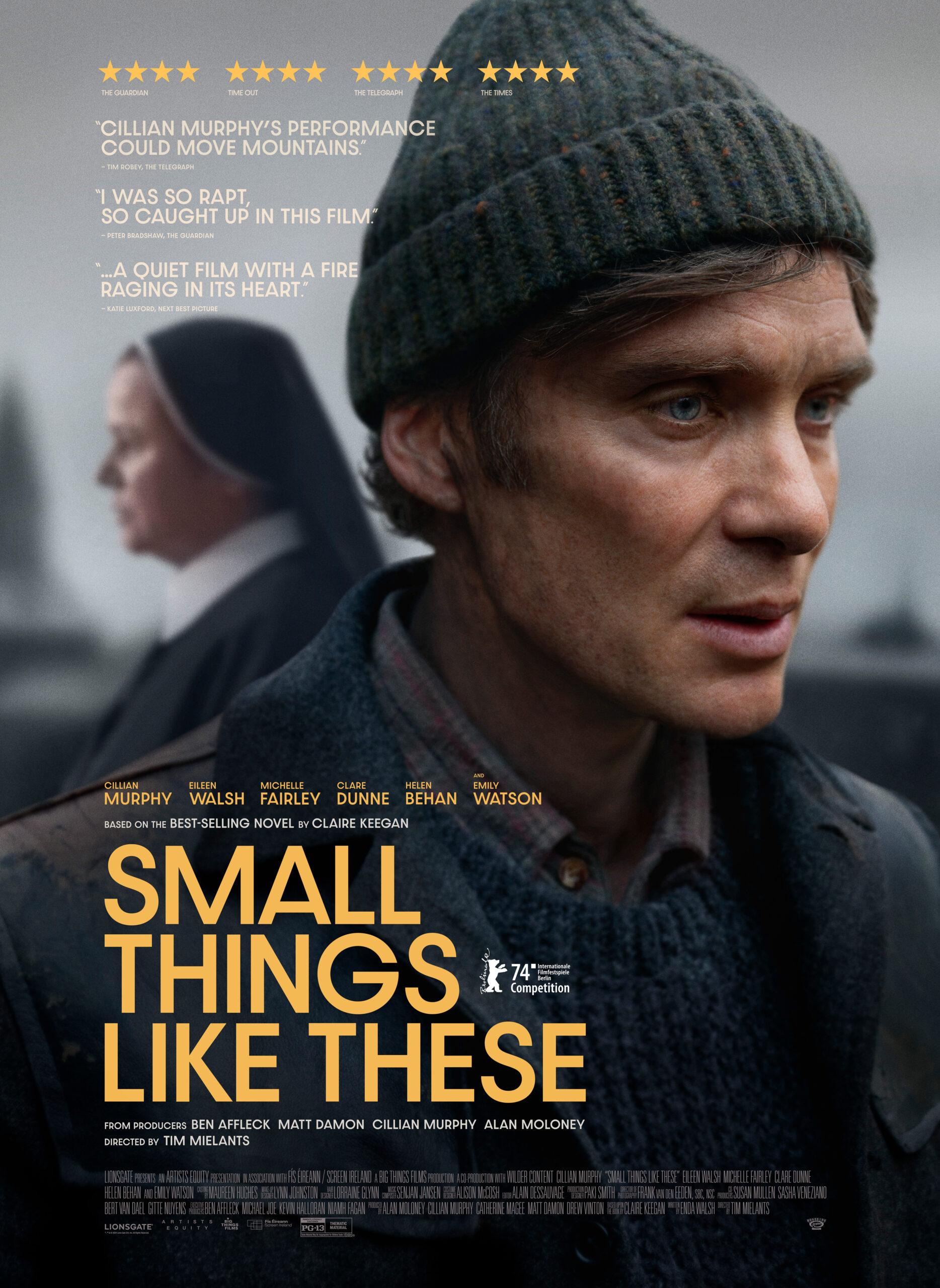
Taking on the double role of star and producer, Murphy teamed with his
Oppenheimer co-star Damon as a producer for screenwriter Enda Walsh’s screen adaptation (with Tim Mielants directing) of Claire Keegan’s superb, Booker-nominated 2021 novella,
Small Things Like These (date to be announced), with Ciaran Hinds and Emily Watson. Murphy rejoined director Danny Boyle for the third installment in the 28 Months franchise,
28 Months Later (date to be announced), written by
Alex Garland.