
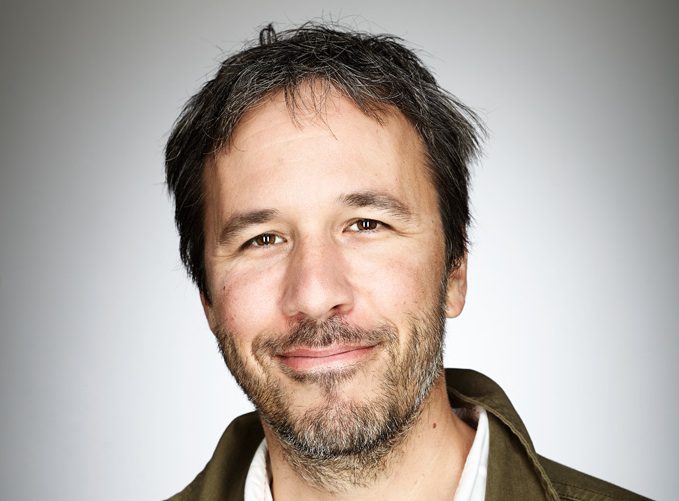
Denis Villeneuve
Birthdate: October 3, 1967 (58 Years Old)
Birthplace: Trois-Rivières, Québec, Canada
Personal life

Awards
Three-time Nomimee, Best Director/Best Adapted Screenplay/Best Picture, Academy Awards (2017, 2022); Two-time Nominee, Best Director, Academy of Science Fiction, Fantasy & Horror Films (2017, 2018); Winner, William Cameron Menzies Award, Art Directors Guild of America Awards (2022); Winner, DGC Team Award—Best Feature, Directors Guild of Canada Award (2014); Winner, FIPRESCI Prize, Berlin Film Festival (2001); Five-time Nominee, Best Film Not in English/David Lean Award for Direction/Best Adapted Screenplay/Best Film, BAFTA Awards (2012, 2017, 2018, 2022); Two-time Winner, Bronze Frog/Special Award for Best Director, Cameriaimage (2021); Winner, Canal+ Award, Cannes Film Festival (2008); Nominee, Best Foreign Film, César Awards (2012); Two-time Nominee, Best Foreign Film, David di Donatello Awards (2011, 2022); Two-time Nominee, Best Director, Directors Guild of America Awards (2017, 2022); Two-time Winner, Best Dramatic Presentation-Long Form, Hugo Awards (2017, 2022); Recipient, Knight of the National Order of Quebec (2019); Winner, New York Film Academy Award, Locarno Film Festival (1994); Recipient, Officer of the Order of Canada (2018); Nominee, Best Producer, Producers Guild of America Awards (2022); Recipient, Queen Elizabeth II Diamond Jubilee Medal (Canada), 2012; Winner, Audience Award, Rotterdam Film Festival (2011); Winner, Best Director, Santa Barbara Film Festival (2017); Four-time Winner, Best Canadian Film-Special Jury Award/Short Cuts Award-Honorable Mention/Best Canadian Feature/TIFF Ebert Director Award, Toronto Film Festival Award (2000, 2008, 2020, 2021); Nominee, USC Scripter Award (2022); Winner, Best Canadian Feature, Vancouver Film Festival Award (2010); Winner, Variety Directors to Watch, Palm Springs Film Festival Awards (2011); Two-time Winner, Future Film Festival Digital Award/Arca CinemaGiovani Award, Venice Film Festival (2016); Nominee, Best Adapted Screenplay, Writers Guild of America Awards (2022).
Denis Villeneuve Movies
Director
Previous (6)
- 2024 |
Dune: Part Two
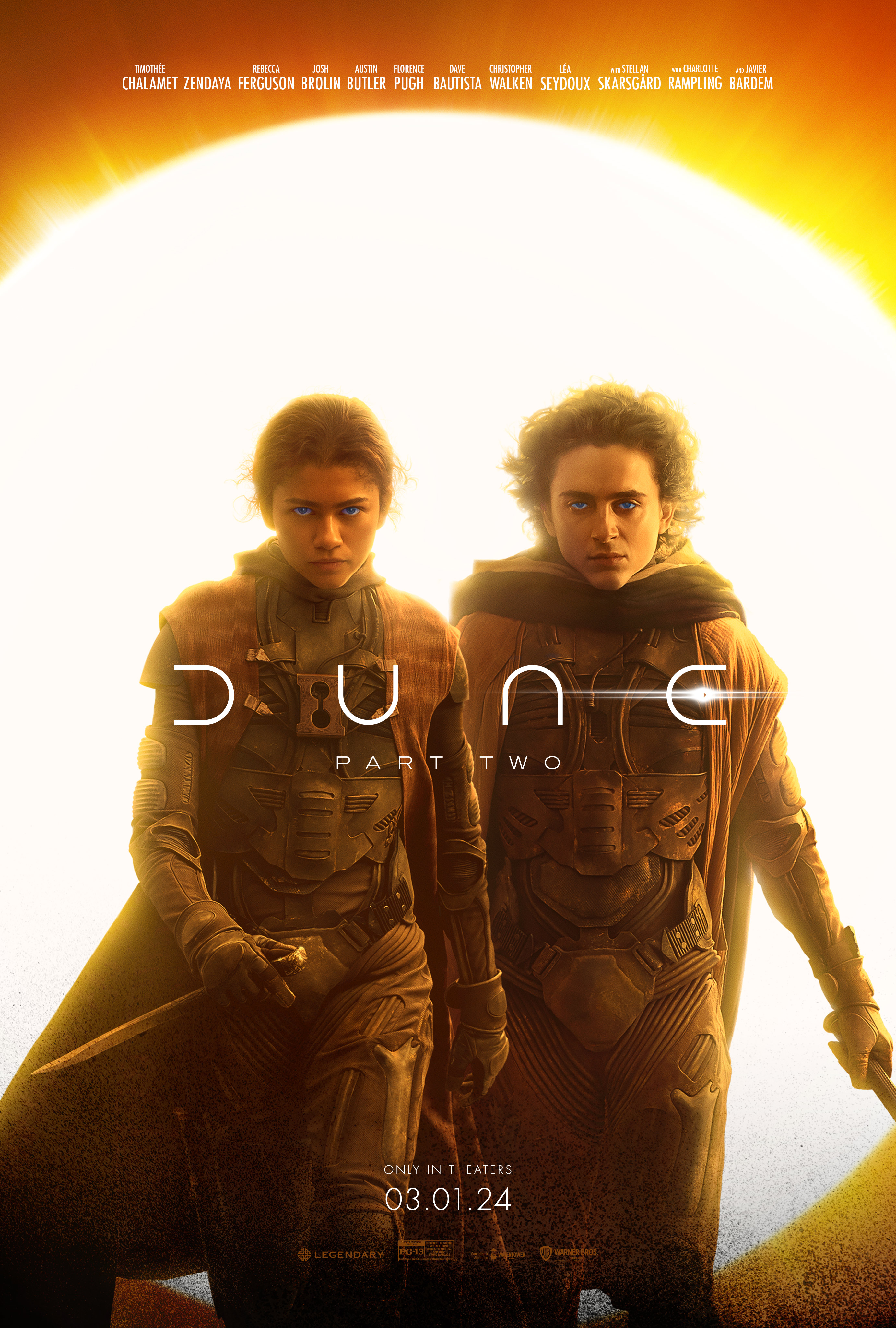
Paul Atreides unites with the Fremen while on a warpath of revenge against the conspirators who destroyed his family. Facing a choice between the love of his life and the fate of the universe, he endeavors to prevent a terrible future.
- 2021 |
Dune: Part One

Paul Atreides arrives on Arrakis after his father accepts the stewardship of the dangerous planet. However, chaos ensues after a betrayal as forces clash to control melange, a precious resource.
- 2017 |
Blade Runner 2049

Young Blade Runner K's discovery of a long-buried secret leads him to track down former Blade Runner Rick Deckard, who's been missing for thirty years.
- 2016 |
- -- | Sicario
- -- | Prisoners
Producer
Previous (1)
- 2021 |
Dune: Part One
Paul Atreides arrives on Arrakis after his father accepts the stewardship of the dangerous planet. However, chaos ensues after a betrayal as forces clash to control melange, a precious resource.
Writer
Previous (2)
- 2024 |
Dune: Part Two
Paul Atreides unites with the Fremen while on a warpath of revenge against the conspirators who destroyed his family. Facing a choice between the love of his life and the fate of the universe, he endeavors to prevent a terrible future.
- 2021 |
Dune: Part One
Paul Atreides arrives on Arrakis after his father accepts the stewardship of the dangerous planet. However, chaos ensues after a betrayal as forces clash to control melange, a precious resource.
Actor
Previous (3)
- 2025 |
Hans Zimmer & Friends: Diamond in the Desert
asSelf
Hans Zimmer & Friends: Diamond in the Desert
A journey through Dubai featuring live performances at Coca-Cola Arena, intimate talks with friends, and stunning moments across desert dunes and the iconic Burj Al Arab.
- -- | as Self
- -- | as Self