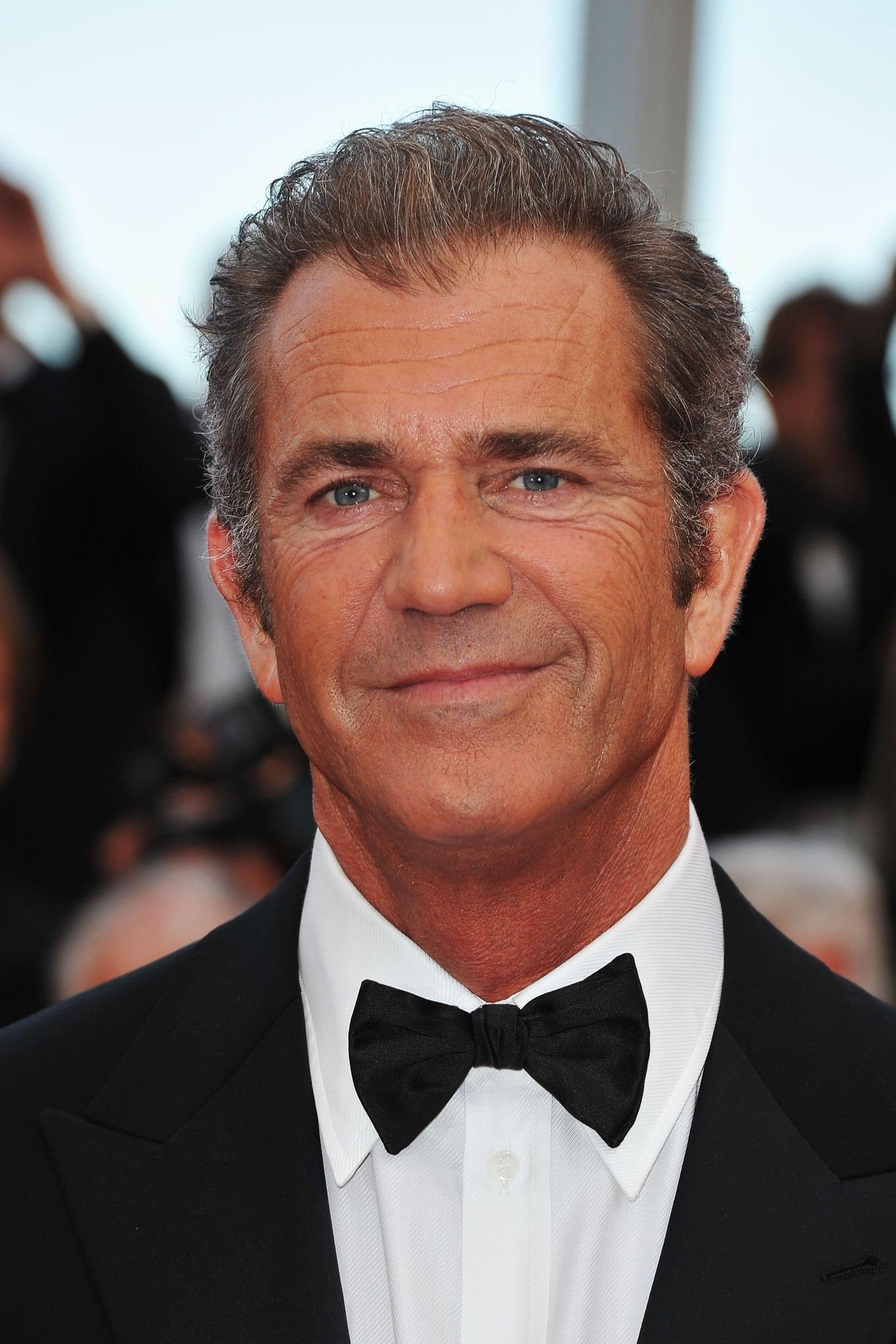
No major movie star in his generation has experienced a wilder fluctuation of fortune and professional respect than
Mel Gibson (birthname:
Mel Columcille Gerard Gibson). The winner of both Best Picture and Best Director Oscars for his second directorial work,
Braveheart (1996), Gibson has also become the face of such toxic controversies as Holocaust denial, domestic violence, and gay and lesbian-bashing which—fair or not—has enormously damaged his career.
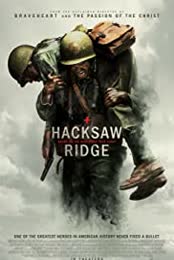
Despite this swirl of controversial episodes in recent years (many involving his late father, the Catholic “fundamentalist” and extremist, Hutton Gibson), Mel Gibson earned an Oscar directing nomination for his excellent World War II epic,
Hacksaw Ridge (2016) and continues a robust acting career, including Lionsgate’s limited series,
The Continental (2022), a spinoff from the
John Wick series;
Bandit (2022), with
Josh Duhamel and Elisha Cuthbert;
Boys of Summer (2022), with Lorraine Bracco; and
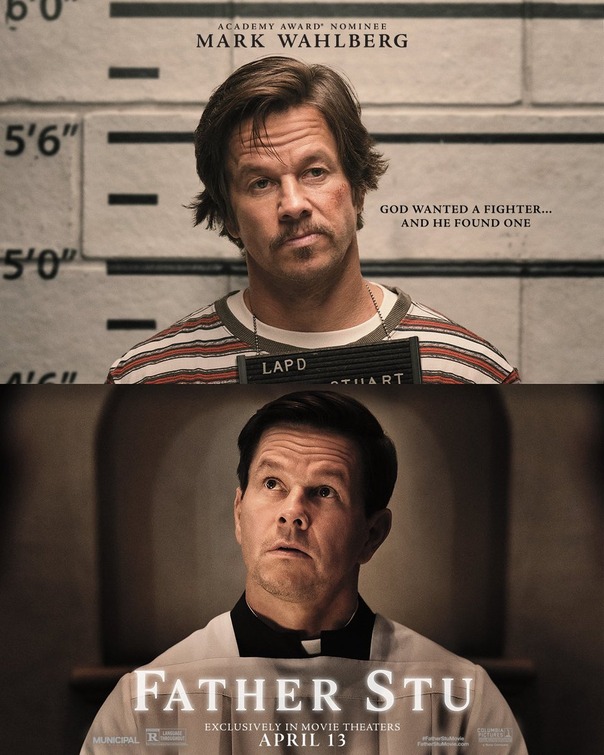
Father Stu (2022), with
Mark Wahlberg.
Though Mel Gibson’s last important role was in
M. Night Shyamalan’s Signs (2002), with
Joaquin Phoenix, he has shifted his filmmaking energies mainly toward his projects, from investing $25 million of his own money to making the much-debated
The Passion of the Christ (2004), his quirky and sometimes bizarre Aztec epic,
Apocalypto (2006) and the more conventional
Hacksaw Ridge (2016), all of which pushed the violence-on-screen envelope and none of which he took a starring role himself. (Gibson is rumored to be directing
Lethal Weapon 5.)
For roughly twenty years, from his major film debut in George Miller’s astonishing
Mad Max (1979) to
Signs, Mel Gibson was one of Hollywood’s most important stars, able to steer his career to be able to form a major independent production house, Icon, and forge a separate career—in the manner of his peer, Kevin Costner (with whom there is much to compare)—as a filmmaker. Between his first and (even better) second Mad Max movie with Miller, The Road Warrior (1981), Gibson established his international standing as a serious actor with Peter Weir’s war tragedy,
Gallipoli (1981).
He followed this with Weir’s next, more lavish production with Sigourney Weaver,
The Year of Living Dangerously (1982). This launched Gibson’s Hollywood career, with the 1984 trifecta of
The Bounty, with
Anthony Hopkins, Mark Rydell’s
The River with Sissy Spacek, and Gillian Armstrong’s
Mrs. Soffel with
Diane Keaton. Just as he completed his
Mad Max trilogy, with
Mad Max Beyond Thunderdome (1985), Mel Gibson reached superstar status with Richard Donner’s
Lethal Weapon (1987), an enormous box-office hit that launched one of the era’s most successful franchises.
While Gibson took some risks, such as taking on the role of the self-tortured Dane in Franco Zefferelli’s
Hamlet (1990) and making his first stab as a director with
The Man Without a Face (1993), his stardom proved bankable with
Lethal Weapons 2 (1989) and
3 (1992),
Air America (1990) and
Maverick (1994). Mel Gibson reached the peak of Hollywood renown with his director-star triumph,
Braveheart (1995), a five-Oscar winner, including Best Picture and Best Director.
It proved to be a hard act to follow, with Gibson starring in a cluster of disposable yet lucrative thriller entertainments like
Ransom (1996),
Conspiracy Theory (1997), and
Payback (1999). He took a left turn with director Wim Wenders on
The Million Dollar Hotel but returned to the more familiar heroic ground on Roland Emmerich’s Revolutionary War epic,
The Patriot (2000) and
We Were Soldiers (2002).
Few major careers have taken such a dive so quickly: From prestige and awards-season projects, Mel Gibson’s acting filmography dropped into the realm of dubious fodder like
The Expendables 3 (2014),
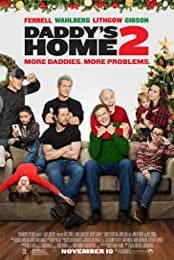
Daddy’s Home 2 (2018)—for which he won a Razzie as worst supporting actor-- and
The Professor and the Madman (2019). This happened partly because of Gibson’s increasingly toxic image, combined with his focus on directing projects that took years to prepare and produce.
Mel Gibson appeared as a co-star or supporting in several features since 2019, including films such as
Last Looks (2022), with Charlie Hunnam and Morena Baccarin;
Agent Game (2022), with Dermot Mulroney; director/writer
Rosalind Ross’ biopic
Father Stu (2022), with Mark Wahlberg and Jacki Weaver; the Canadian crime biopic
Bandit (2022), co-starring
Josh Duhamel, Elisha Cuthbert, and Nelson Carbonell; the Nadine Crocker-directed thriller
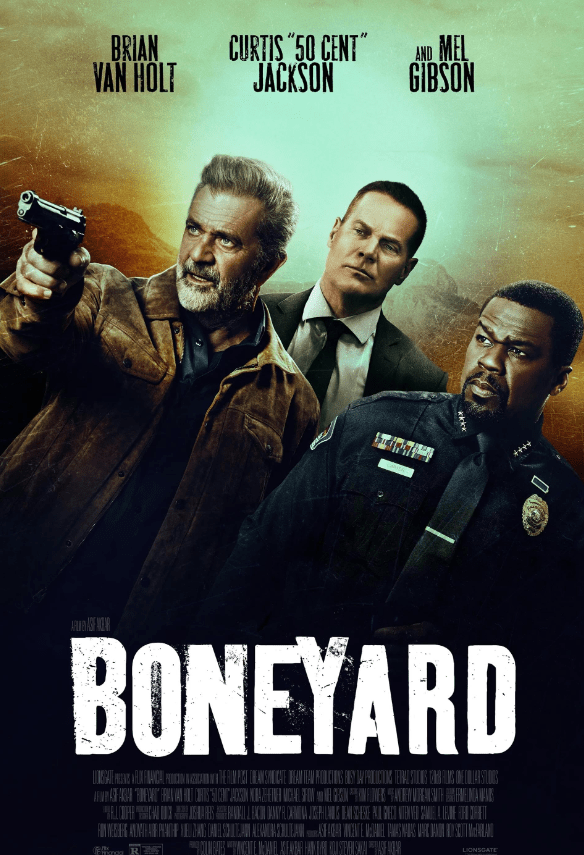
Desperation Road (2023), with Garrett Hedlund and Willa Fitzgerald; director/co-writer/producer Asif Akbar’s crime thriller
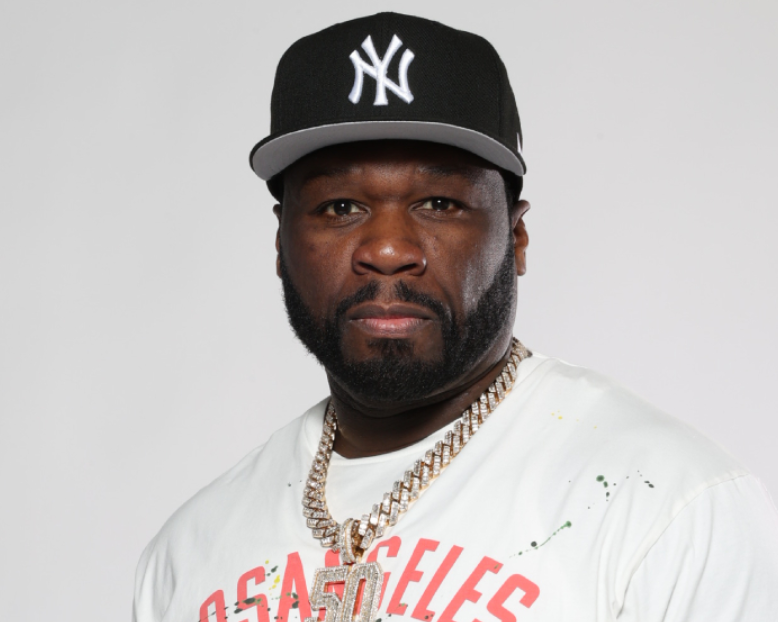
Boneyard (2024), with Brian Van Holt and Curtis
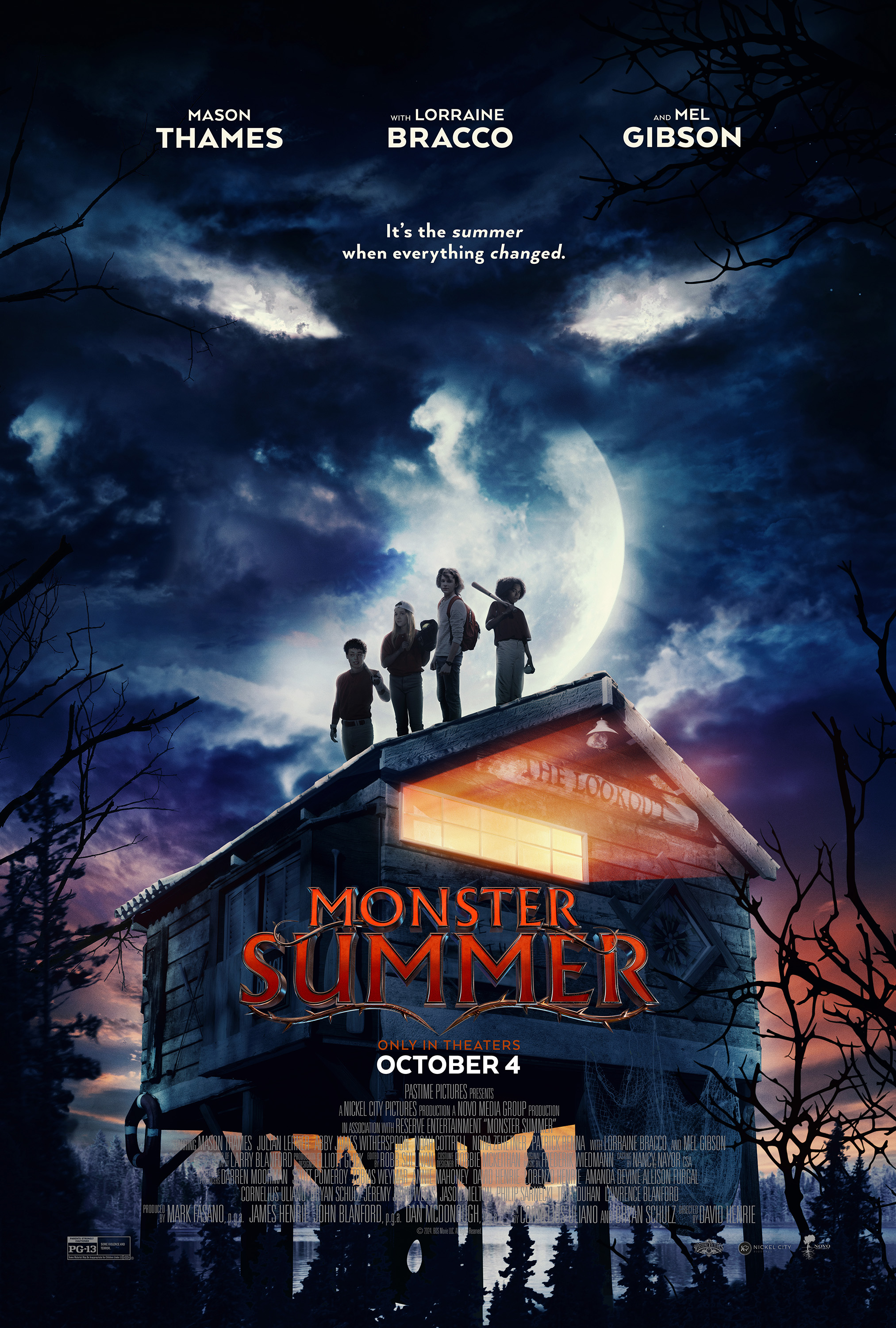
“50 Cent” Jackson; the mashup of a coming-of-age and monster movie,
Monster Summer (2024), co-starring
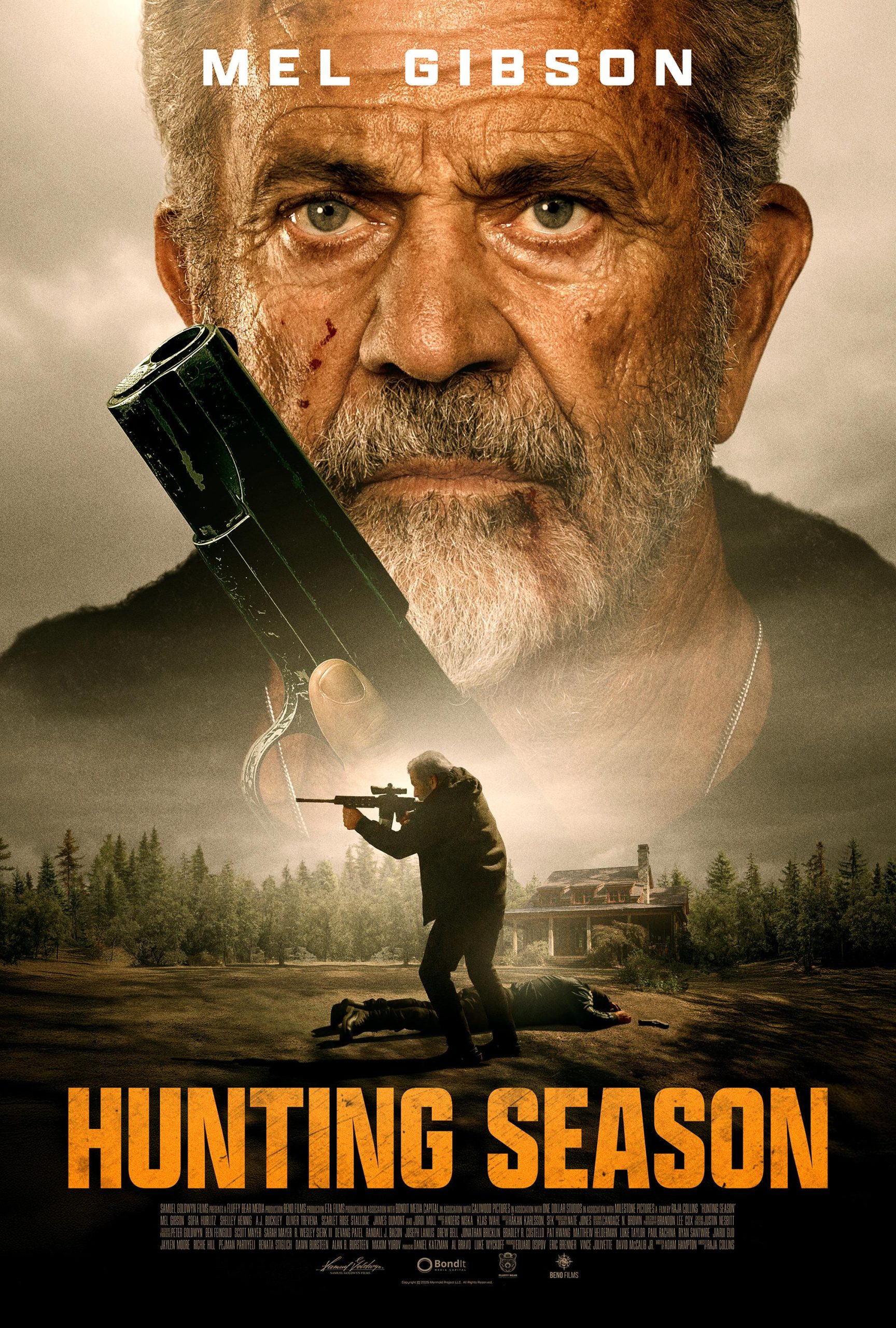
Mason Thames and Lorraine Bracco; and starring in the RJ Collins-directed thriller,
Mermaid (date to be announced), with Sofia Hublitz and Jordi Molla and produced by Beni Films/ETA Films/Filmopoly.
Gibson was director/producer of his first directorial feature since
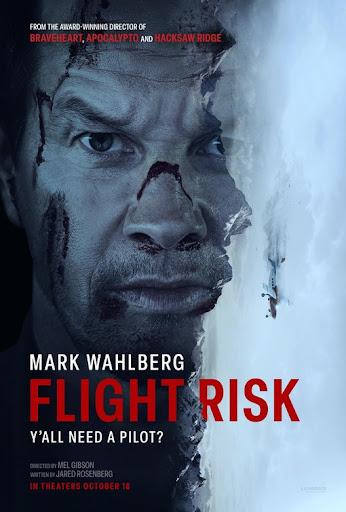
Hacksaw Ridge, the Mark Wahlberg-starring thriller
Flight Risk (2025), co-starring Topher Grace and Michelle Dockery, and released by Lionsgate. Gibson returned to one of his most spectacular and controversial features as director, producer, and co-writer (with longtime collaborator Randall Wallace) pair of sequels,
The Passion of the Christ: Resurrection—Chapter 1 (2025), and Chapter II (date to be announced), starring Jim Caviezel, Maia Morgenstern and Francesco De Vito, produced by Icon Productions and released via Samuel Goldwyn Films.