Noah Baumbach, as a writer-director, is one of the distinctive comedy voices of recent American cinema. Although this comedy has evolved, from the early Woody Allen-influenced
Kicking and Screaming (1995) to his 2022 adaptation of novelist Don DeLillo’s black comic masterpiece,
White Noise, it remains generally spiked with caustic anger, emotional alienation, and familial strife, while lifted by the impact of the creative collaboration of fellow writer and life partner
Greta Gerwig.
He’s one of the few American filmmakers to have grown up with two film critic parents—the Village Voice’s Georgia Brown and The Partisan Review’s Jonathan Baumbach—and this, as well as his love of the American indie filmmaking stylings of Jim Jarmusch, the New York comic styles of Whit Stillman and Woody Allen, and the screwball tradition of Howard Hawks, helped form Baumbach’s pointed, spikey voice. For his third completed feature, the heavily autobiographical
The Squid and the Whale (2005), Baumbach enjoyed a sweep of the best screenplay award from the top three U.S. critics organizations (National Society of Film Critics, Los Angeles Film Critics Association, New York Film Critics Circle), as well as the National Board of Review.
After graduating from Vassar College with a specialization in film and a Bachelor of Arts in English, Noah Baumbach wrote and directed his feature debut about the post-collegiate blues,
Kicking and Screaming, with Josh Hamilton, Chris Eigeman, Eric Stoltz, Olivia d’Abo, and Parker Posey, which premiered at the 1995 New York Film Festival. Baumbach began but never finished his next feature,
Highball (1997), which he disowned, but bounced back with
Mr. Jealousy (1997), starring Stoltz as difficult aspiring writer Lester Grimm and Annabella Sciorra as girlfriend Ramona. In the first of two screenplay collaborations with
Wes Anderson, Baumbach co-wrote
The Life Aquatic with Steve Zissou (2004), with Bill Murray, Owen Wilson,
Cate Blanchett, Anjelica Huston, Willem Dafoe, and Jeff Goldblum.
Noah Baumbach’s artistic breakthrough happened with the universally acclaimed
The Squid and the Whale (2005), a bitterly funny portrait of a culturally sophisticated family falling apart, with a brilliant cast led by Jeff Daniels, Laura Linney, Jesse Eisenberg (playing a version of Baumbach himself), William Baldwin, and Anna Paquin, and winning best director and screenplay at the Sundance Film Festival, and subsequently nominated for the Best Screenplay Oscar.
The bitterness was raised to the power of ten for Baumbach’s next, the 2007
Margot at the Wedding, a family drama-comedy starring
Nicole Kidman, Jennifer Jason Leigh, Jack Black, and John Turturro, and released by Paramount Pictures’ short-lived “indie” subdivision, Paramount Vantage. In 2009, Baumbach took a break from his filmmaking, first serving as producer for writer-director Joe Swanberg’s
Alexander the Last, with Jess Weixler. As co-writer of Wes Anderson’s sublime, charming venture into stop-motion animation based on Roald Dahl’s tale,
Fantastic Mr. Fox, voiced by George Clooney, Meryl Streep,
Jason Schwartzman, Bill Murray, Willem Dafoe, Michael Gambon, and Owen Wilson, and ultimately becoming the second highest-grossing animated film of 2009.
Baumbach’s caustic New York comedy,
Greenberg (2010), marked his first collaboration with Greta Gerwig (as actor) and Ben Stiller as the title character, Jennifer Jason Leigh, Rhys Ifans, and
Brie Larson. Baumbach’s first studio work came as co-writer (with Eric Darnell) on
Madagascar 3: Europe’s Most Wanted (2012), with the voices of Stiller, Chris Rock, David Schwimmer, Jada Pinkett Smith, Sacha Baron Cohen, Cedric the Entertainer, Jessica Chastain, Bryan Cranston, Martin Short, and Frances McDormand.
A rebound of sorts from the commercial failure of
Greenberg, Baumbach’s lighter
Frances Ha (2012) featured Gerwig’s energetic and goofy touch as star and co-writer, with Adam Driver and Charlotte d’Amboise, earning the film several awards-season nominations including a Golden Globe Best Actress nomination for Gerwig. Two years later, Baumbach served as an executive producer on Peter Bogdanovich’s comedy and final narrative film,
She’s Funny That Way (or, as Bogdanovich titled it in an unearthed director’s cut,
Squirrel to the Nuts), with Owen Wilson, Imogen Poots, Kathryn Hahn, Will Forte, Jennifer Aniston, and Rhys Ifans.
Baumbach’s subsequent six features have been directed, written, and produced by him, starting with
While We’re Young (2014), with Stiller and Naomi Watts as a New York filmmaking couple, co-starring
Adam Driver, Amanda Seyfried, Charles Grodin, and Adam Horowitz, and distributed by A24, outgrossing all of Baumbach’s previous features with a $7.5 million take. With Gerwig as co-writer and star, Baumbach’s
Mistress America (2015) displayed a lighter screwball style, featuring Lola Kirke, Heather Lind, and Kathryn Erbe. In the same year, Baumbach made his first foray into a documentary with
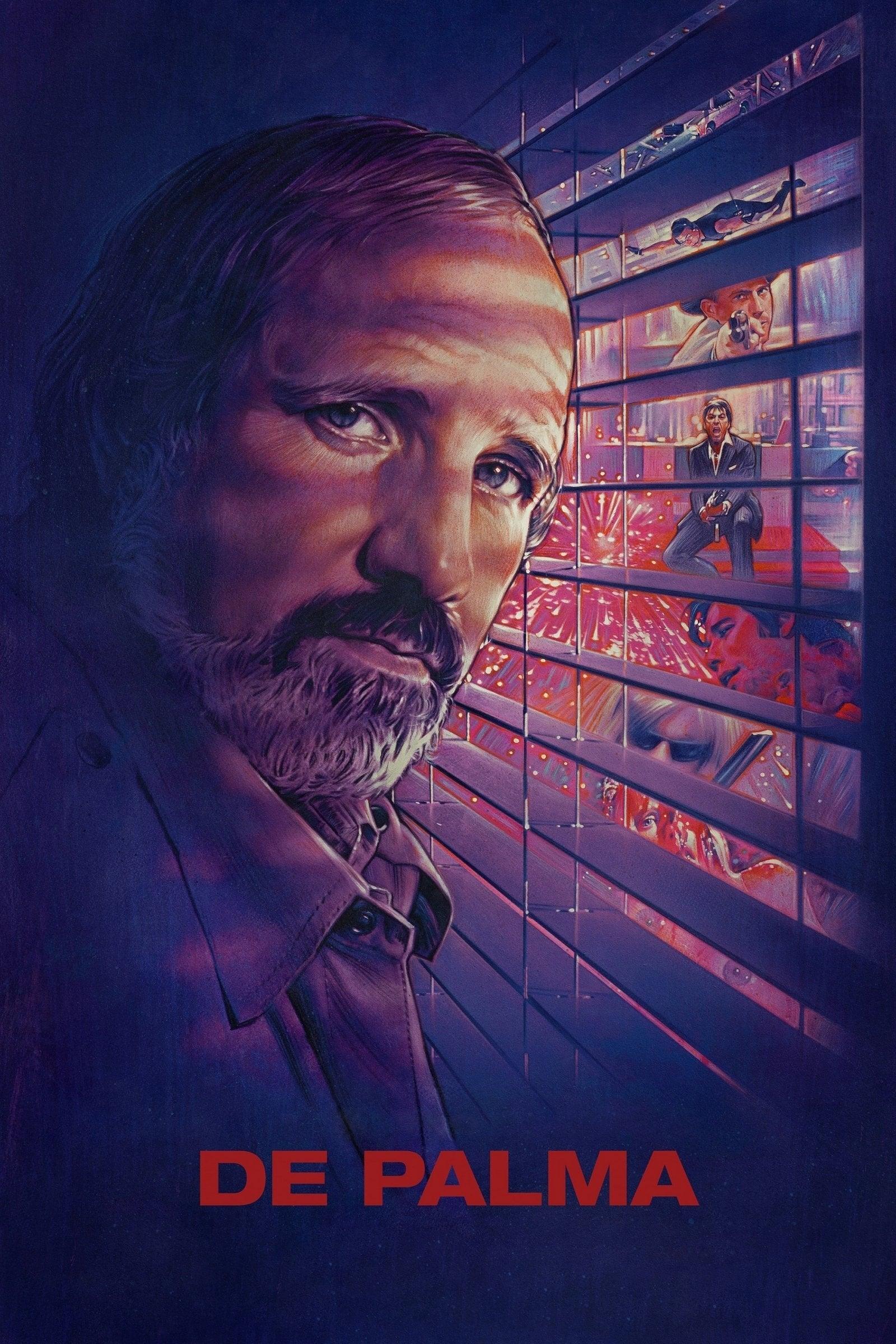
De Palma, his co-directed (with Jake Paltrow) portrait of acclaimed filmmaker Brain De Palma—curiously, not a filmmaker typically associated with Baumbach himself.
Noah Baumbach’s first film to be selected for the official selection of the Cannes Film Festival (and his first released on Netflix) was his sharp, multi-dimensional take on a family patriarchy,
The Meyerowitz Stories (New and Selected) (2017), once again starring his male muse Stiller, with Adam Sandler, Dustin Hoffman, Emma Thompson, Adam Driver, Sigourney Weaver,
Candice Bergen, and Judd Hirsch. Arguably Baumbach’s saddest and most emotional film to date—and his first thoroughly dramatic script—was
Marriage Story (2019), featuring Scarlett Johansson and Adam Driver in possibly career-best performances, along with Laura Dern, Alan Alda, and Ray Liotta.
It was Baumbach’s first real Oscar success, with the film earning six nominations including Picture, Screenplay,
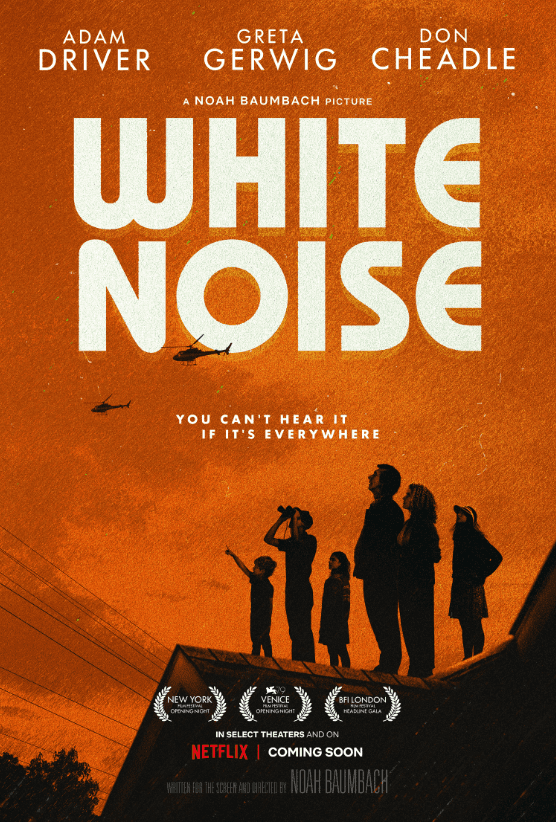
Actor and Actress, and a Best Supporting Actress win for Dern (who also won the Golden Globe, SAG, and BAFTA). Baumbach’s first adaptation as director is his take on DeLillo’s landmark 1985 experimental novel,
White Noise (2022), long considered “unfilmable” (yet having been previously developed by filmmakers as varied as Barry Sonnenfeld and Michael Almereyda), and starring Driver, Gerwig, André Benjamin, Alessandro Nivola, Jodie Turner-Smith, and Don Cheadle.
It premiered as the opening film of the 79
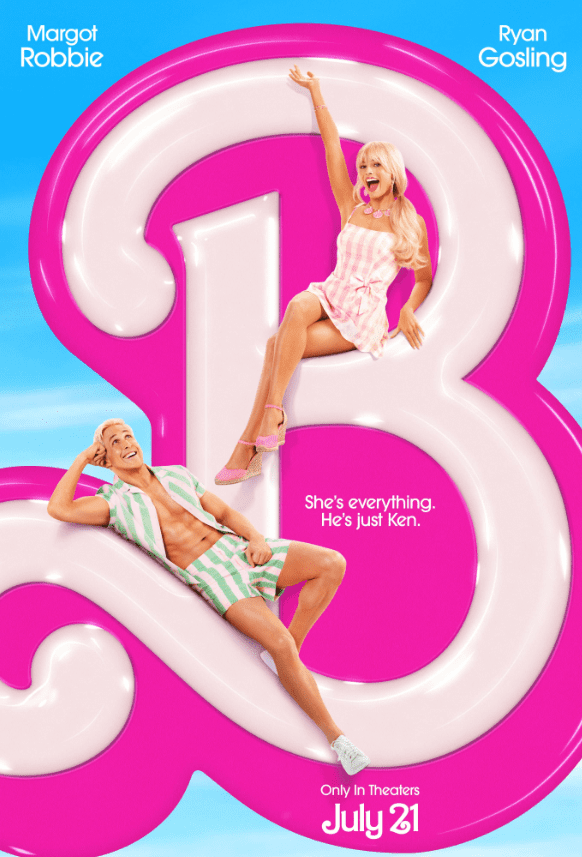
th edition of the Venice Film Festival and then released on Netflix. In their first collaboration, in which Baumbach is neither director nor producer, Gerwig and Baumbach co-wrote the script for
Barbie (2023), directed by Gerwig for Warner Bros. and starring
Margot Robbie and
Ryan Gosling as Barbie and Ken.