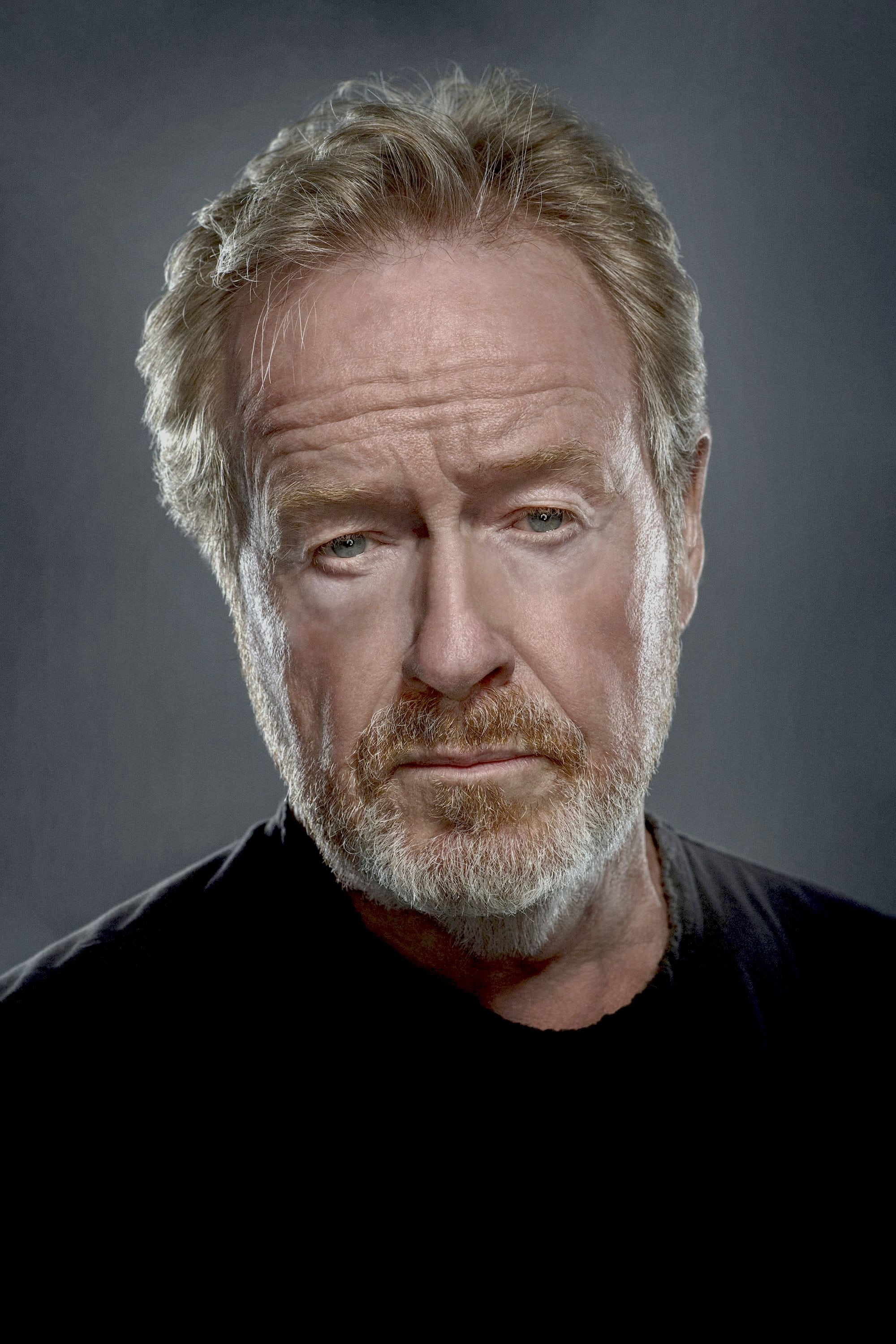
Ridley Scott is one of the pre-eminent big-budget filmmakers in English, known for working on a grand scale in a wide range of genres, from science fiction to historical epics.
Scott developed his pictorial visual style in TV commercial direction until he debuted with one of his best features, the period drama The Duellists (1977), starring Harvey Keitel, Keith Carradine, Albert Finney, Edward Fox, and Stacy Keach, and premiering at the Cannes film festival (where it won the Camera d’Or).
Scott’s stunning follow-up foretold the general pattern of his career—alternating genres from project to project—with his groundbreaking sci-fi/horror/thriller,
Alien (1979), written by Dan O’Bannon and starring Sigourney Weaver, Tom Skerritt, Veronica Cartwright, Harry Dean Stanton, John Hurt, Yaphet Kotto, and John Hurt; the movie’s powerful $185 million gross spawned an enduring franchise of seven sequels, crossovers, and two prequels, both directed by Scott:
Prometheus (2012), starring Noomi Rapace, Michael Fassbender, Charlize Theron,
Guy Pearce, and
Idris Elba; and
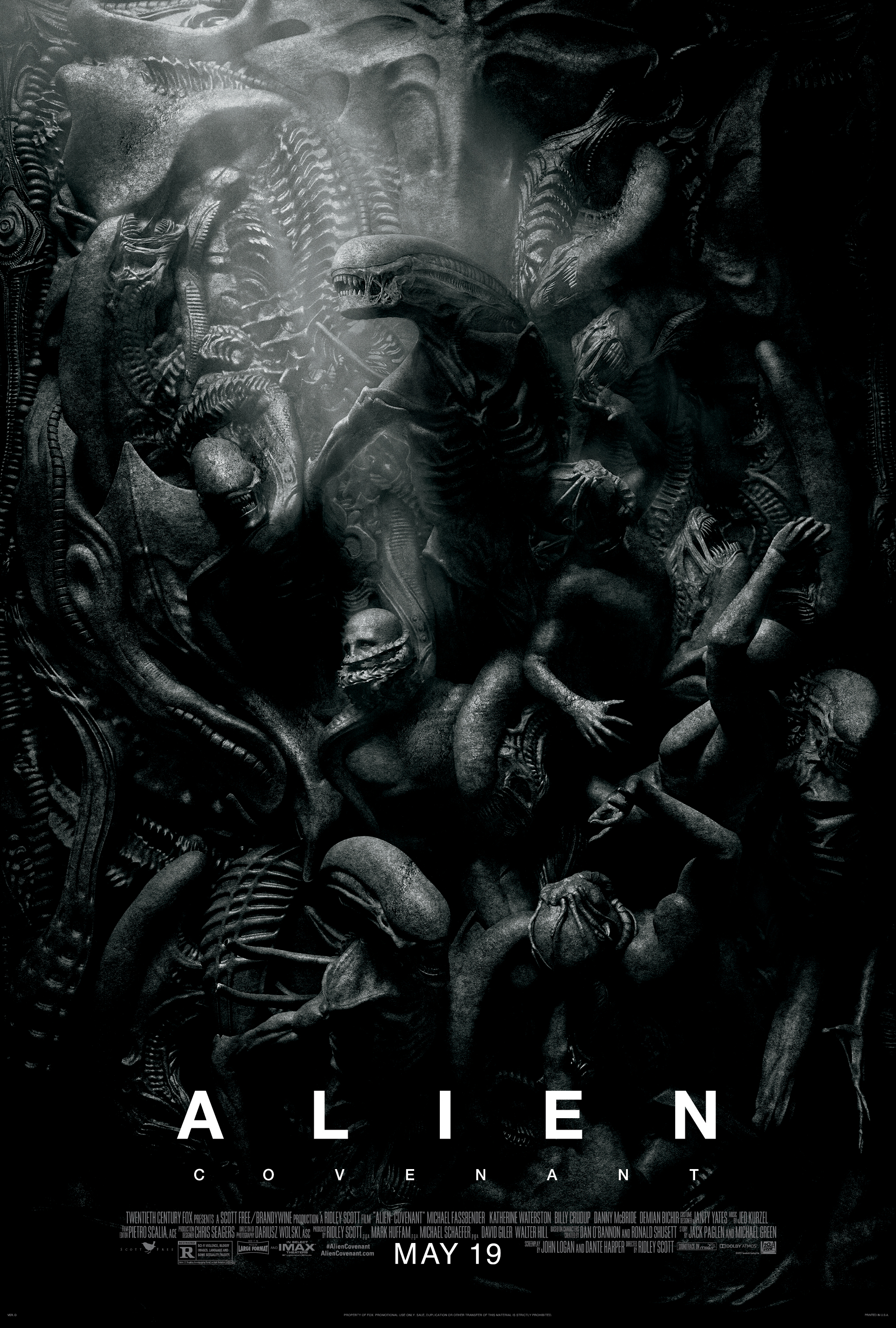
Alien: Covenant (2017), starring Fassbender, Demian Bichir, Katherine Waterston, Billy Crudup, and Danny McBride.
Ridley Scott followed with what remains his most beloved and iconic movie,
Blade Runner (1982), works with a highly complex production and release history (and with as many as four different versions, including an advertised 1992 “director’s cut” and a Scott-approved “final cut” version released in 2007) and the most influential sci-fi movie since Stanley Kubrick’s
2001: A Space Odyssey (1968), starring Harrison Ford, Rutger Hauer, Sean Young, and Edward James Olmos, and realizing a profit after several decades in post-theatrical release.
Scott opted for the fantasy genre next with the Brothers Grimm-inspired
Legend (1985), his second feature in a row that exists in multiple versions (each with a different ending!), and starring
Tom Cruise, Mia Sara, and Tim Curry. The police thriller was Scott’s next genre choice for the commercially disappointing though visually rich
Someone to Watch Over Me (1987), with Tom Berenger, Mimi Rogers, and Lorraine Bracco. Scott joined star Michael Douglas for the Japan-based actioner,
Black Rain (1989), with Andy Garcia, Ken Takakura, and Kate Capshaw, which proved Scott’s best box-office performance since Alien with a $134-plus-million global gross.
Ridley Scott catapulted his directorial career with a movie that became a social phenomenon and the definitive feminist epic of that era--
Thelma & Louise (1991)—written by (Oscar-winning) Callie Khouri and co-starring Susan Sarandon, Geena Davis, Harvey Keitel, and (in his breakthrough)
Brad Pitt, and earning six Oscar nominations and over $45 million gross after premiering at the Cannes film festival.
Scott returned to the historical epic with his (and writer Roselyne Bosch’s) take on Christopher Columbus’s New World invasion,
1492: Conquest of Paradise (1992), with Gérard Depardieu, Armand Assante, and Sigourney Weaver, but which underperformed with only a $59 million gross. Scott stayed on the water but in the survival adventure genre for
White Squall (1996), one of Scott’s poorest-grossing movies ($10 million) starring Jeff Bridges, Caroline Goodall, John Savage, Scott Wolf, Jeremy Sisto, and Balthazar Getty.
Scott had one of his rare back-to-back box-office failures with the poorly-received military drama,
G.I. Jane (1997), starring Demi Moore, Viggo Mortensen, and Anne Bancroft and earning only $48 million on a $50 million budget. Ridley Scott bounced back with one of his most universally acclaimed movies,
Gladiator (2000), starring
Russell Crowe in his star-making (and Oscar-winning) role, with
Joaquin Phoenix, Connie Nielsen, Oliver Reed, Derek Jacobi,
Djimon Hounsou, and Richard Harris, and amassing five Oscars (including best picture), and earning over $503 million globally.
Scott continued his box-office run with his only sequel to a movie he didn’t originate with
Hannibal (2001), co-written by David Mamet and Steven Zaillian, and starring
Anthony Hopkins as Hannibal Lecter, Julianne Moore (taking over the Clarice role from Jodie Foster in 1990s
The Silence of the Lambs),
Ray Liotta, Frankie R. Faison, Giancarlo Giannini, and Gary Oldman, and earning $352 million worldwide.
Black Hawk Down (2001), based on Mark Bowden’s non-fiction military saga, proved to be Scott’s second success in a single year, with a cast including Josh Hartnett, Eric Bana, Ewan McGregor, Tom Sizemore, William Fichtner, and Sam Shepard and a $173 million global gross.
Ridley Scott directed and co-produced his first black comedy
Matchstick Men (2003), starring
Nicolas Cage, Sam Rockwell, Alison Lohman, and Bruce McGill, earning good reviews but underperforming box office with a $65 million (on a $65 million budget) for distributor Warner Bros. Scott returned to the historical epic genre with The Crusades-set
Kingdom of Heaven (2005), on which he was director and sole producer overseeing a cast including Orlando Bloom, Eva Green, Jeremy Irons,
Liam Neeson, David Thewlis,
Brendan Gleeson, and Marton Czokas, and which grossed $218 million worldwide.
Scott’s first rom-com,
A Good Year (2006), marked his reunion with Russell Crowe, Albert Finney, Marion Cotillard, and Tom Hollander, followed by a characteristic genre swing for Scott with his very well-received true-story crime movie,
American Gangster (2007), the third Scott movie starring Crowe, with Denzel Washington, Chiwetel Ejiofor, Ruby Dee (earning an Oscar nomination), Cuba Gooding Jr., Josh Brolin, Ted Levine, Armand Assante, John Hawkes, and RZA, and grossing $266.5 million globally.
Ridley Scott and Crowe collaborated on their third movie in a row with the spy thriller,
Body of Lies (2008), starring
Leonardo DiCaprio, Mark Strong, Golshifteh Farahani, and Oscar Isaac, while earning a good $118 million worldwide gross. The Scott-Crowe collaboration continued with a high-octane version of
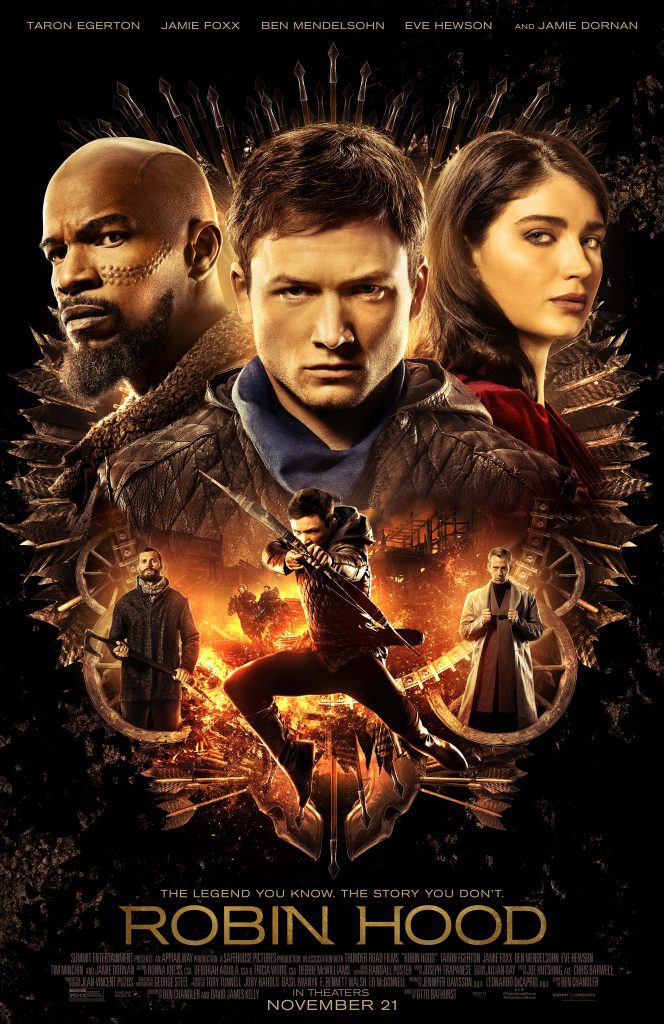
Robin Hood (2010), written by Brian Helgeland, and with a starry cast of
Cate Blanchett, William Hurt, Mark Strong, Mark Addy, Oscar Isaac, Danny Huston, Eileen Atkins, and Max von Sydow, premiering at the Cannes film festival before grossing $322 million.
As director and co-producer, Scott took on Cormac McCarthy’s ultra-twisted crime tale,
The Counselor (2013), starring Michael Fassbender, Penelope Cruz, Cameron Diz, Javier Bardem, and Brad Pitt, and premiering at the Morelia film festival before earning a $71 million gross. Ridley Scott jumped into the deep waters of the Biblical epic genre with
Exodus: Gods and Kings (2014), with
Christian Bale (as Moses), Joel Edgerton, John Turturro, Aaron Paul, Ben Mendelsohn, Sigourney Weaver, and Ben Kingsley, but demoted by less-than-stellar reviews and disappointing ($268 million) box office.
Scott rebounded with one of his most triumphant productions, his witty yet gripping version of Andy Weir’s bestseller,
The Martian (2015), starring
Matt Damon, Jessica Chastain, Kristen Wiig, Jeff Daniels, and Chiwetel Ejiofor, and which launched at the Toronto film festival and gained seven Oscar nominations (including best picture), before earning a knockout $630 million gross. Scott opted for his second true-crime saga with a striking version of the Getty kidnapping scandal,
All the Money in the World (2017), starring Michelle Williams, the Oscar-nominated Christopher Plummer (replacing the scandal-plagued Kevin Spacey),
Mark Wahlberg, and Romain Duris, and grossing $57 million.
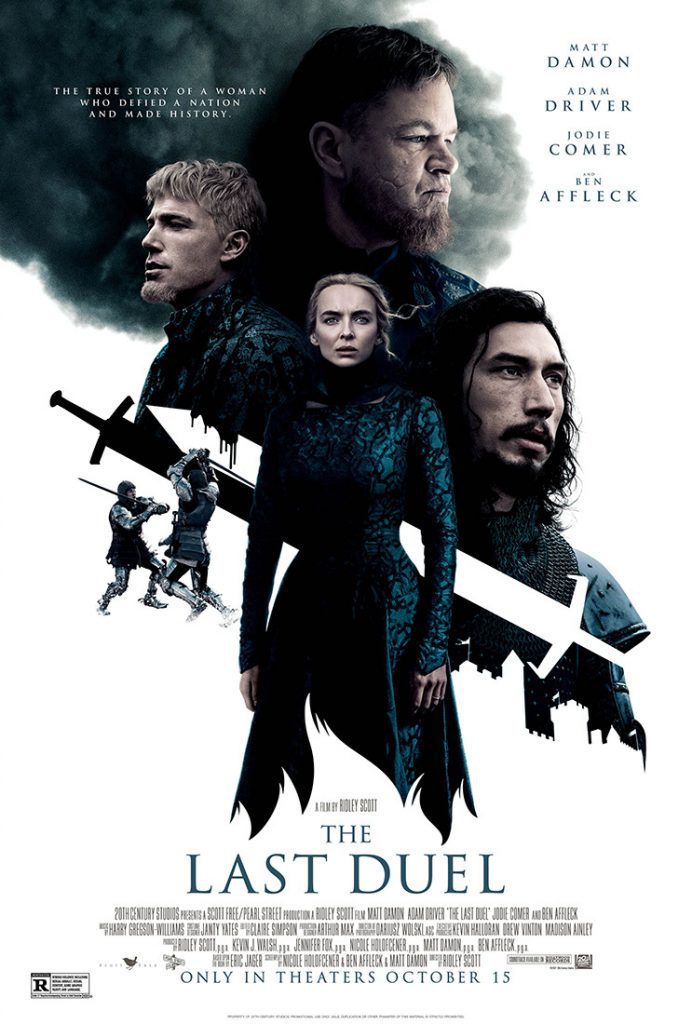
Once again shifting genres, Ridley Scott returned to the Middle Ages for the unusually structured saga,
The Last Duel (2021), co-written by Nicole Holofcener and co-stars/producers Damon and
Ben Affleck (adapting Eric Jager’s history book), with Adam Driver and Jodie Comer, and which premiered at the Venice film festival. Scott delved into the wild world of La Famiglia Gucci with the broadly comic
House of Gucci (2021), starring
Lady Gaga, Driver, Jared Leto, Jeremy Irons, Salma Hayek, and Al Pacino, and despite some divisive reactions, the movie doubled $75 million costs with a $153 million global take.
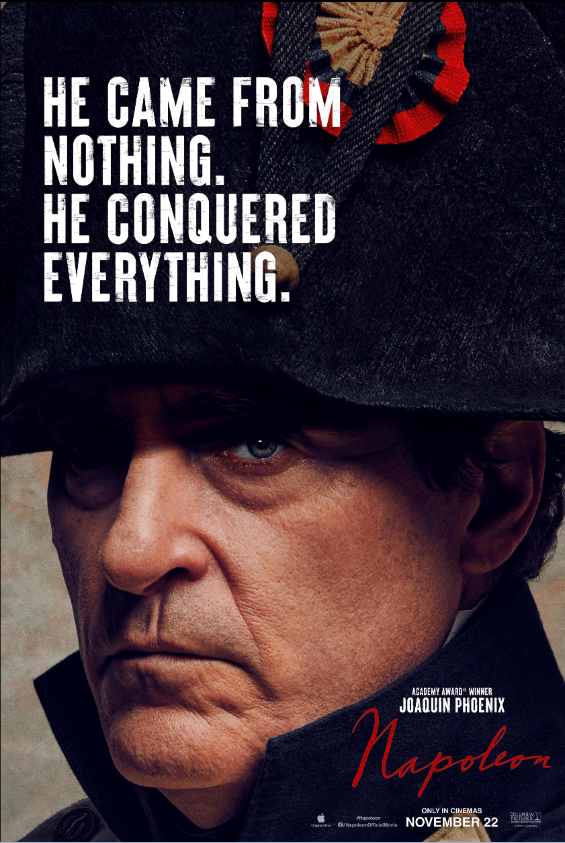
Scott made one of his grandest mountings of history with his highly anticipated, $200-million-budgeted biopic,
Napoleon (2023), written by David Scarpa and starring Joaquin Phoenix as the French military genius and “emperor,” with Vanessa Kirby,
Tahar Rahim, Ludivine Sagnier, and Rupert Everett.
Scott made a direct sequel to a movie he originated with Paramount/Universal’s
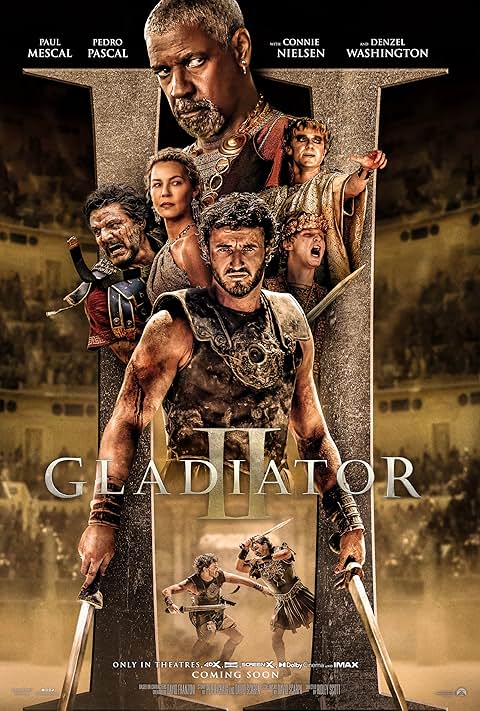
Gladiator II (2024), set fifteen years after the action of Gladiator by writer Scarpa, and starring Paul Mescal, Denzel Washington, Connie Nielsen, Derek Jacobi, Djimon Hounsou, Joseph Quinn,
Pedro Pascal, and Lior Raz.
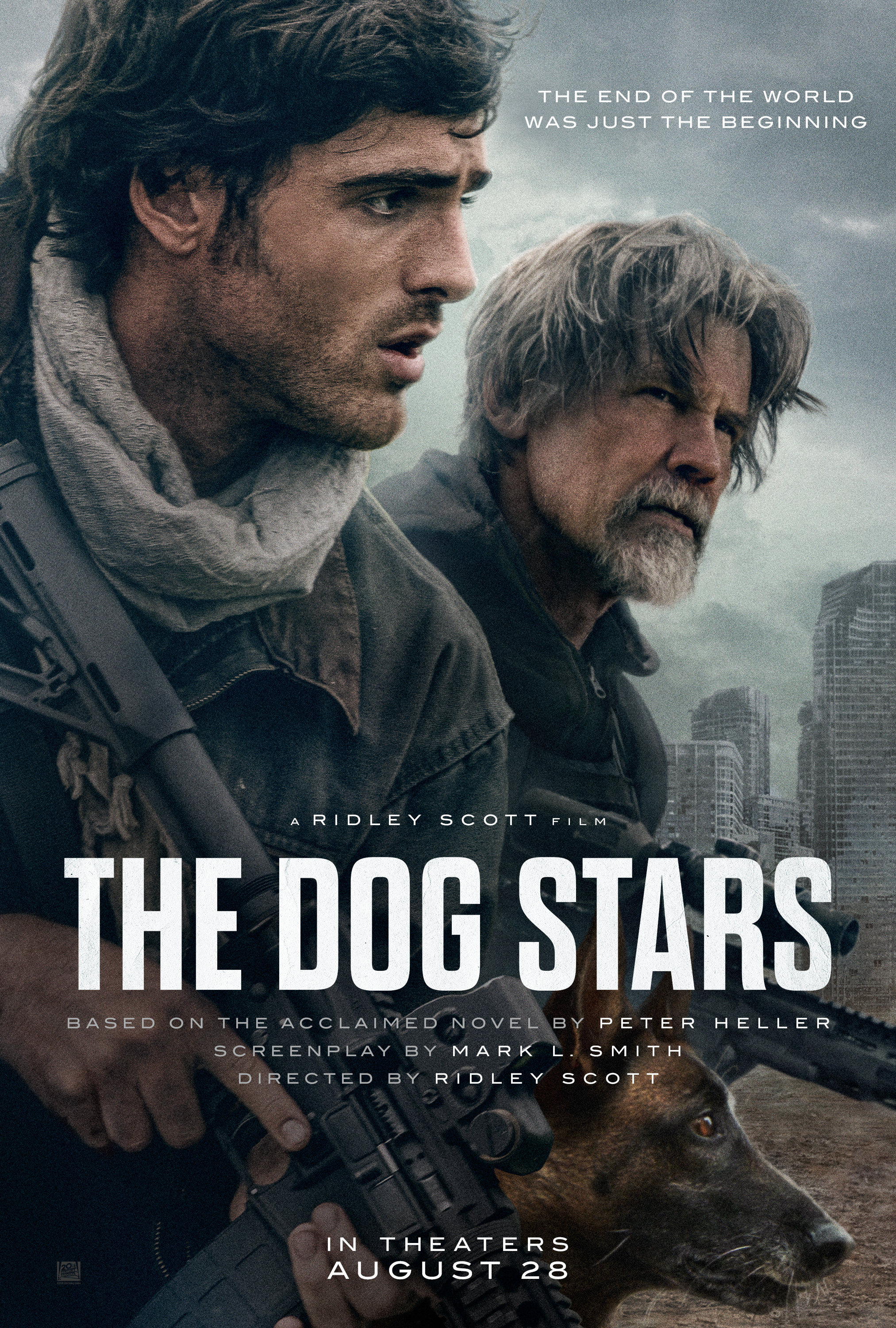
Ridley Scott took on the Western for the first time as director/producer with the drama,
Wraiths of the Broken Land (date to be announced), co-written by S. Craig Zahler and Drew Goddard, who previously collaborated with Scott on
The Martian. Scott was also director/producer of the music biopic,
You Should Be Dancing (date to be announced), written by John Logan and based on the career of the mega pop group, The Bee Gees, and produced by Amblin Entertainment and released by Paramount Pictures.
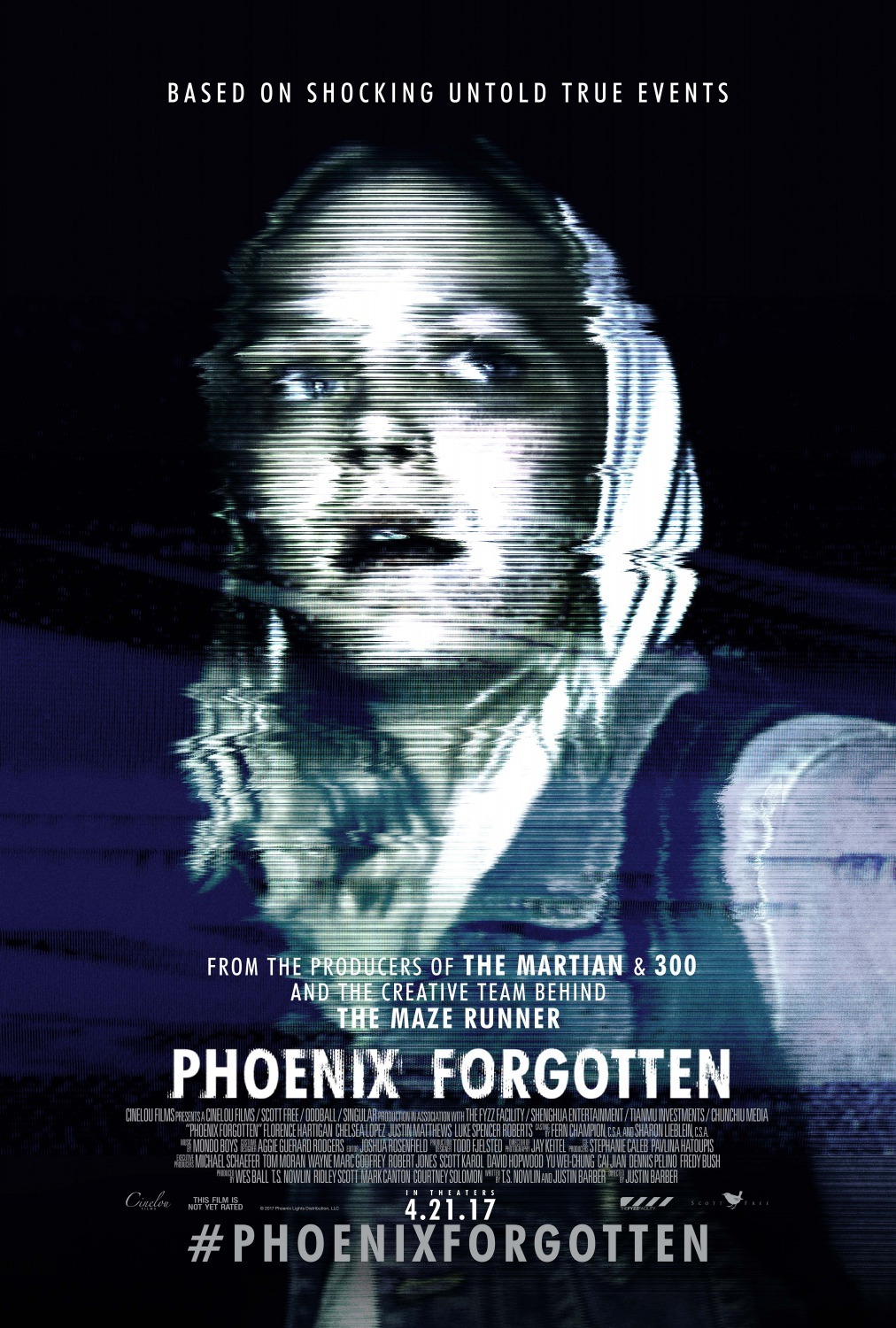
Ridley Scott has served as producer only on several features, including
The Browning Version (1994),
The Assassination of Jesse James by the Coward Robert Ford (2007),
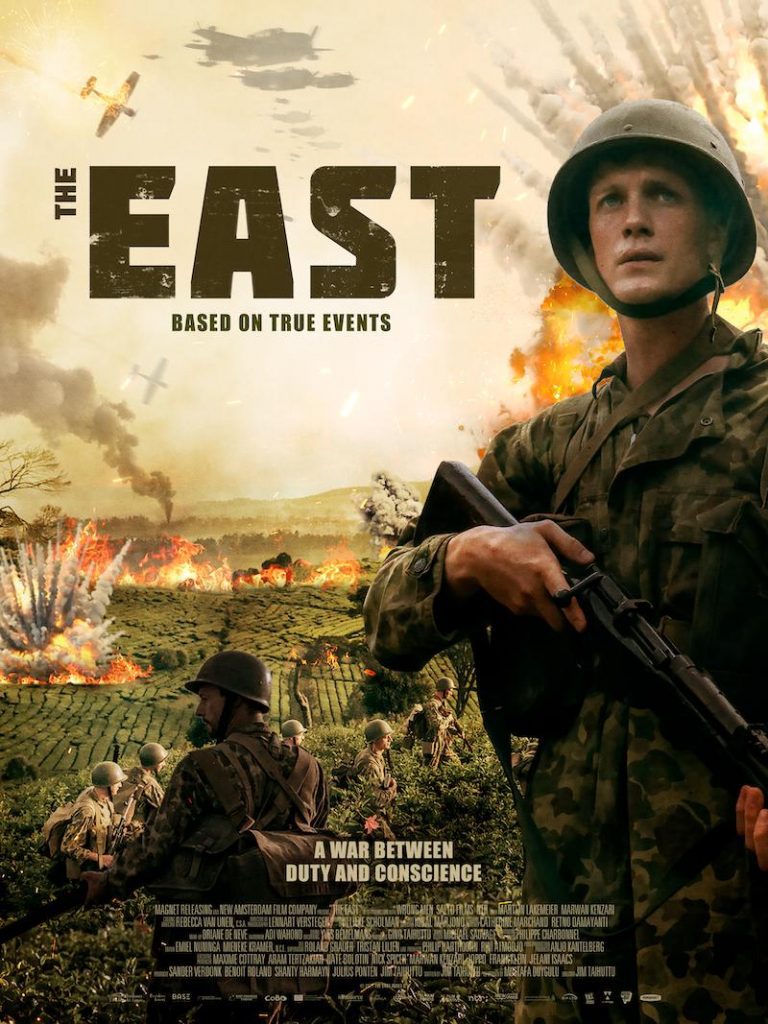
The East (2013),
Out of the Furnace (2013),
Concussion (2015),
Mark Felt: The Man Who Brought Down the White House (2017),
Murder on the Orient Express (2017),
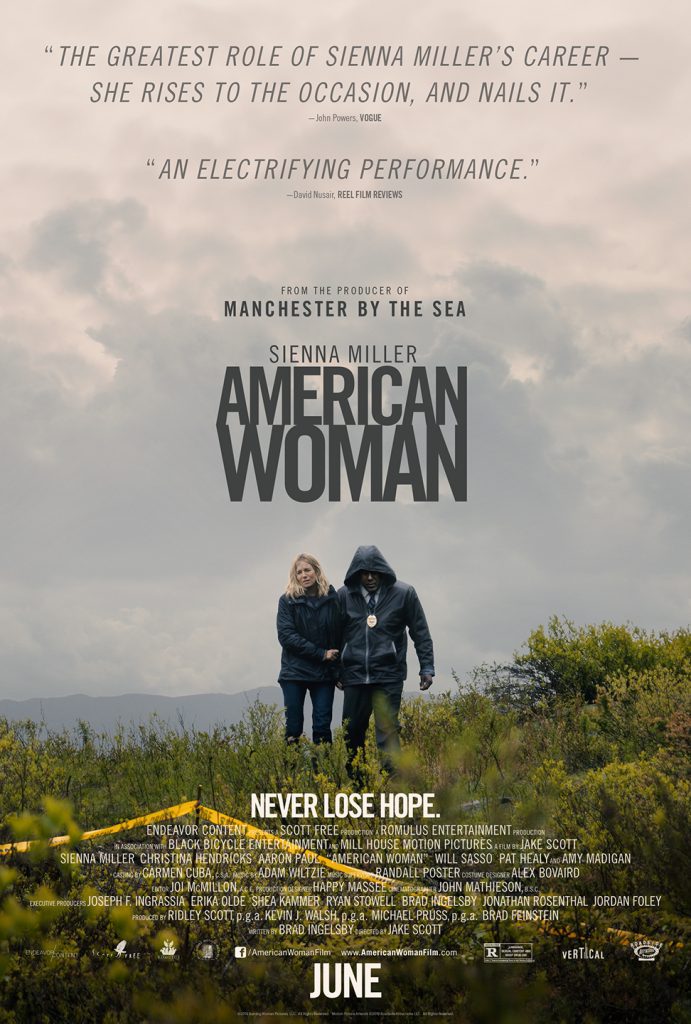
American Woman (2018),
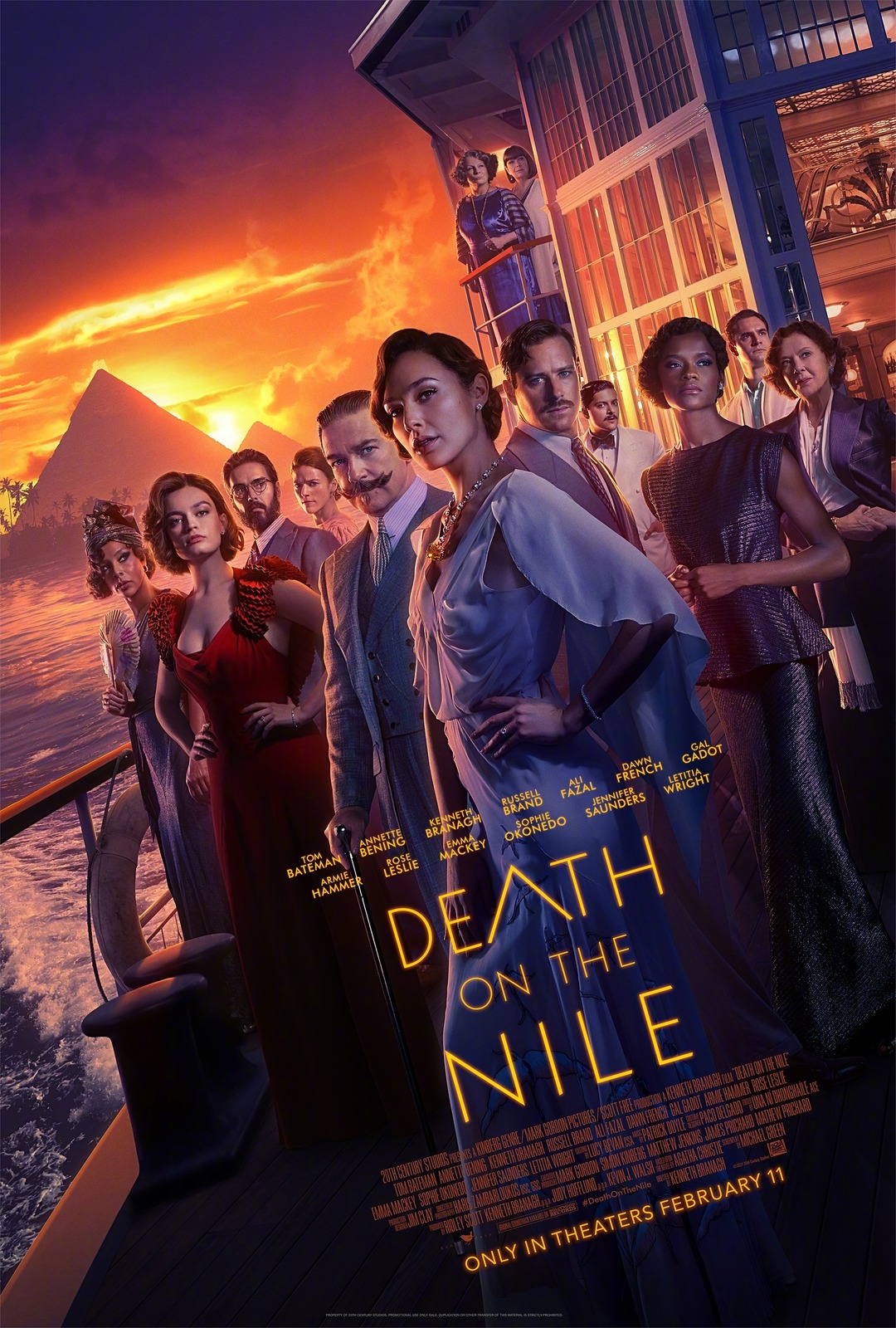
Death on the Nile (2022),
Boston Strangler (2023),
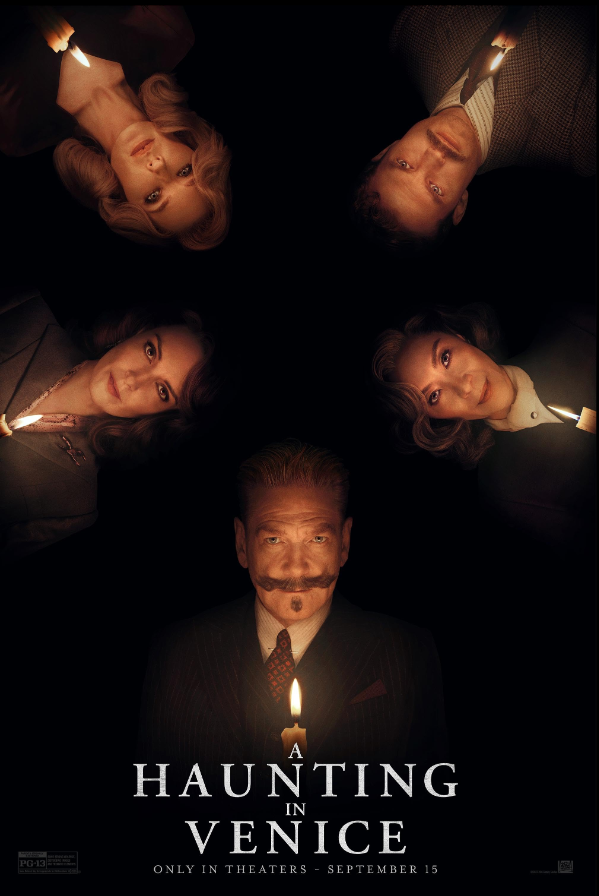
A Haunting in Venice (2023),
A Sacrifice (2024),
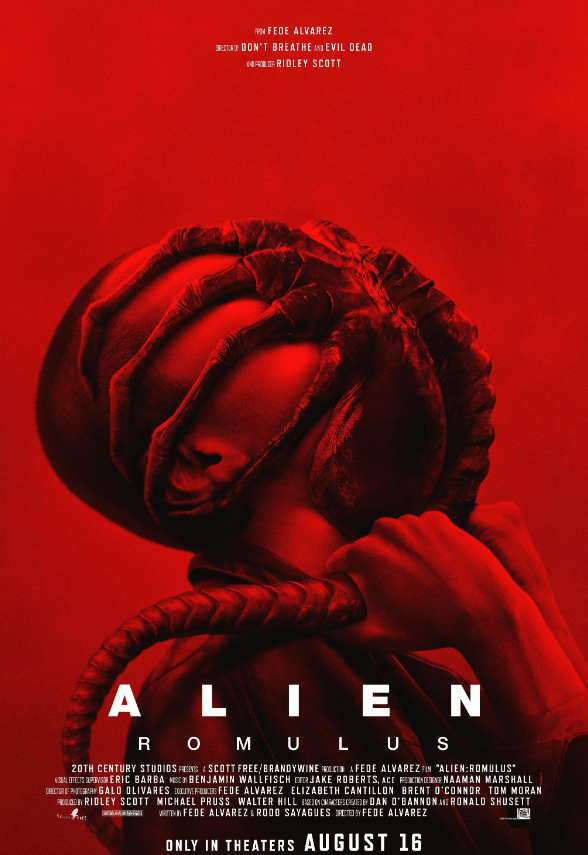
Alien: Romulus (2024),
Gravity Rush (date to be announced) and
Echo Valley (date to be announced).