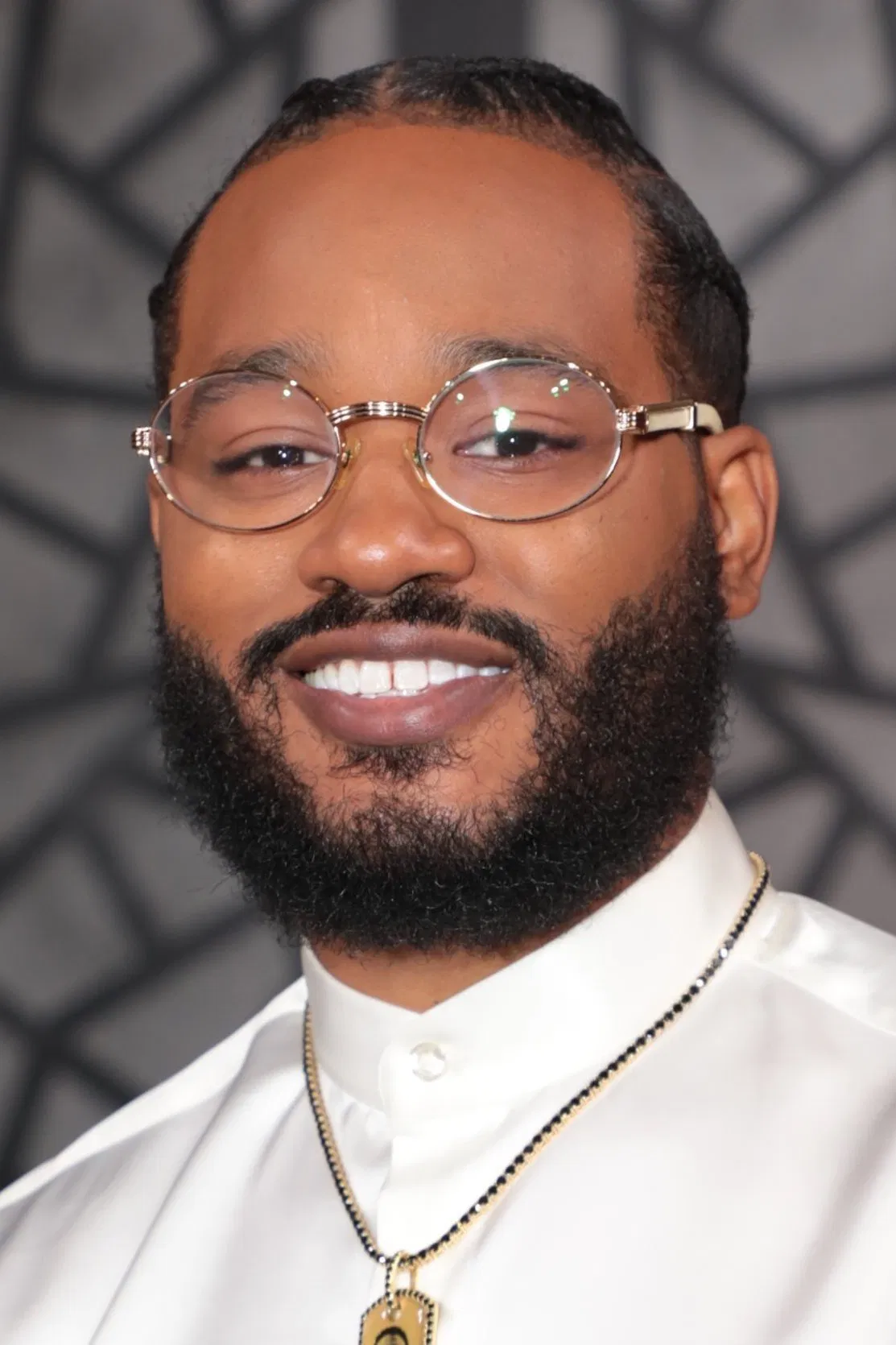
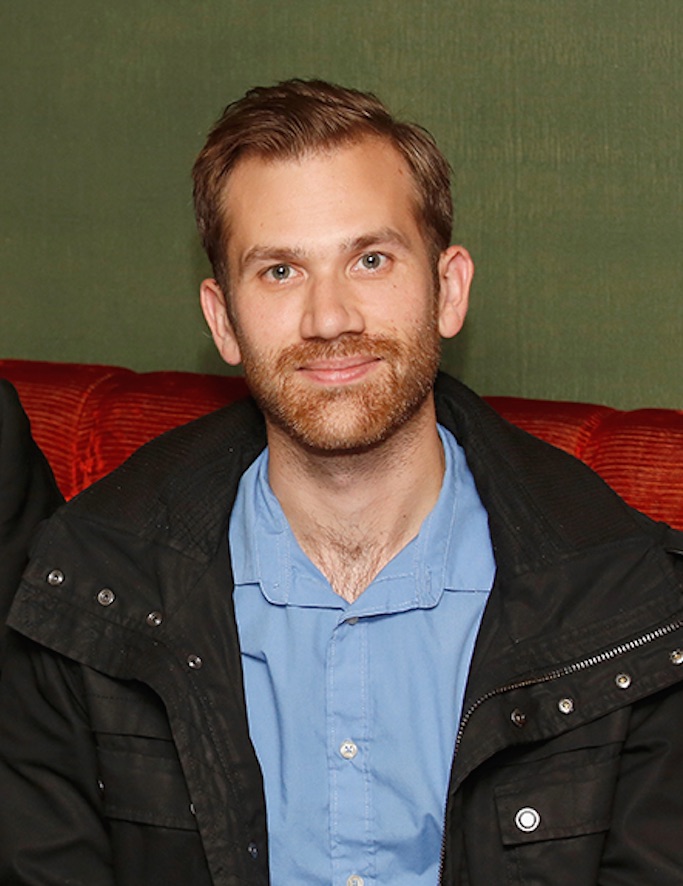
Ryan Coogler (birthname:
Ryan Kyle Coogler) established himself as an American filmmaker to reckon with when he arrived on the scene with his debut feature,
Fruitvale Station (2013). It announced the arrival of a major Black filmmaker tackling serious social themes inside entertainment, which he has extended into the phenomenal success of Marvel Studios’ franchise,
Black Panther (2018).
Before his first feature, Coogler made four shorts during his graduate studies at USC’s School of Cinematic Arts, including these award-winners:
Locks (2009), 2011’s
Fig (winner of HBO’s Short Film Competition and the DGA Student Film Award), and
Gap (2011).
Coogler wrote and directed
Fruitvale Station, with the key producing support of
Forest Whitaker, marking the first of his several collaborations with actor Michael B. Jordan, along with Melonie Diaz, Kevin Durand, Chad Michael Murray, and Octavia Spencer; the film made a rare double-win in its Sundance Film Festival world premiere with Grand Jury Prize and Audience Award and then went on to win the Avenir Prize in Cannes’ Un Certain Regard competition, and earning $17.4 million on a budget under $1 million.
As a clear sign that Ryan Coogler was interested in making wide-audience entertainments, his next project was an off-shoot of the
Rocky franchise,
Creed (2015), starring Jordan and Sylvester Stallone (who won Best Supporting Actor from the National Board of Review), and grossing nearly $174 million globally on an estimated budget of $40 million.
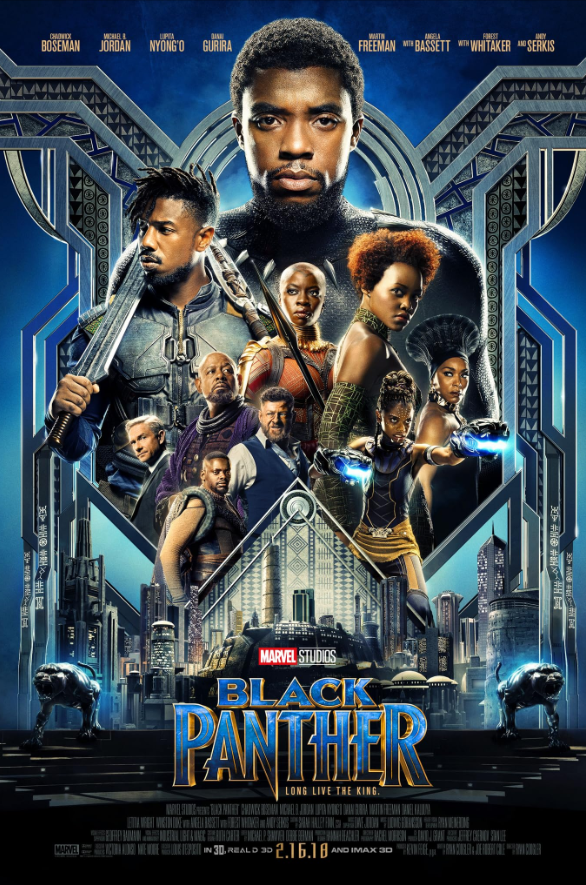
In a rapid rise to the heights of the superhero movie craze, Ryan Coogler assumed co-writing (with Joe Robert Cole) and directing tasks for Marvel’s first Black-centric franchise, starting with
Black Panther, starring the late Chadwick Boseman (as T’Challa/Black Panther), Jordan,
Lupita Nyong’o,
Danai Gurira, Martin Freeman,
Daniel Kaluuya, and Letitia Wright; among other things, the movie marked not only a thematic and setting shift in the Marvel Cinematic Universe to an all-Black empire, but was the biggest production to date in the burgeoning Afro-Futurist genre, grossing 1.35 billion worldwide, or six times its estimated $200 million budget.
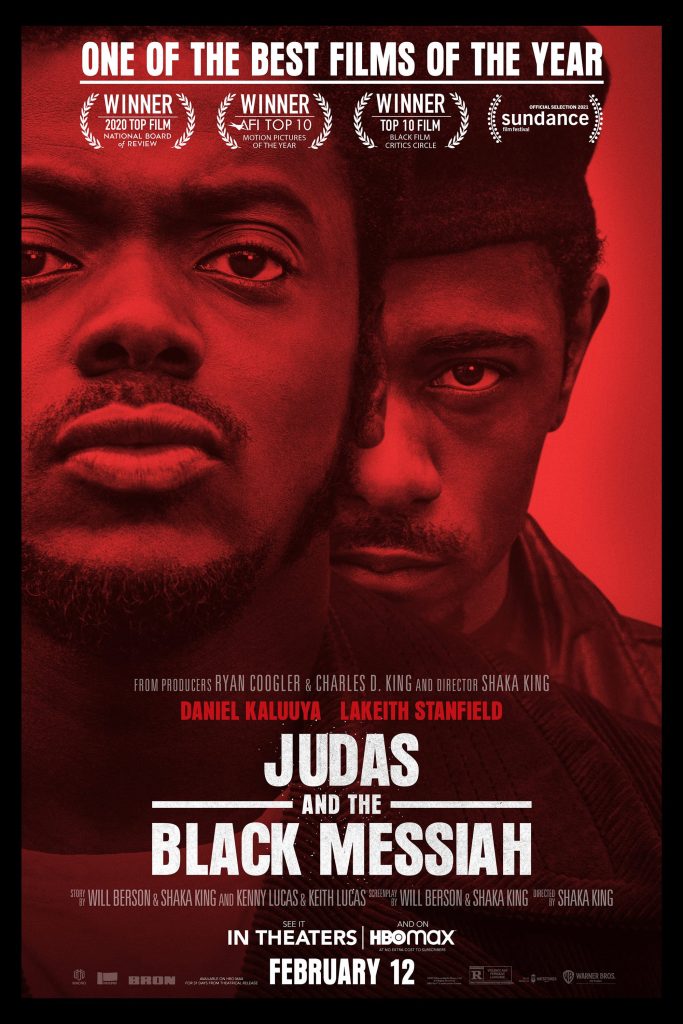
Coogler expanded his work by serving as producer on filmmaker Shaka King’s superb drama on the real Black Panthers,
Judas and the Black Messiah (2021), starring Daniel Kaluuya (winning the Best Supporting Actor Oscar) and
LaKeith Stanfield, with Jesse Plemons,
Dominique Fishback, Ashton Sanders, and Martin Sheen, and earning Coogler his first Oscar nomination for Best Picture. Though the movie marked an artistic triumph for Coogler, it was his first commercial failure, with a $7.4 million worldwide gross below its $26 million price tag.
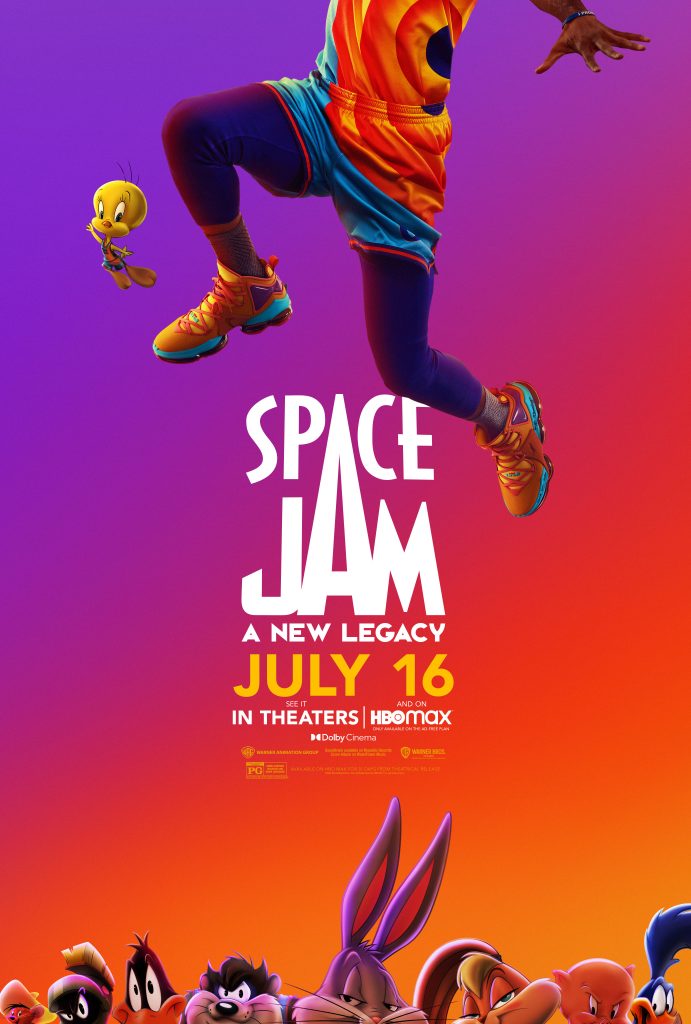
Coogler experienced another box office failure as a producer in 2021 with the sequel
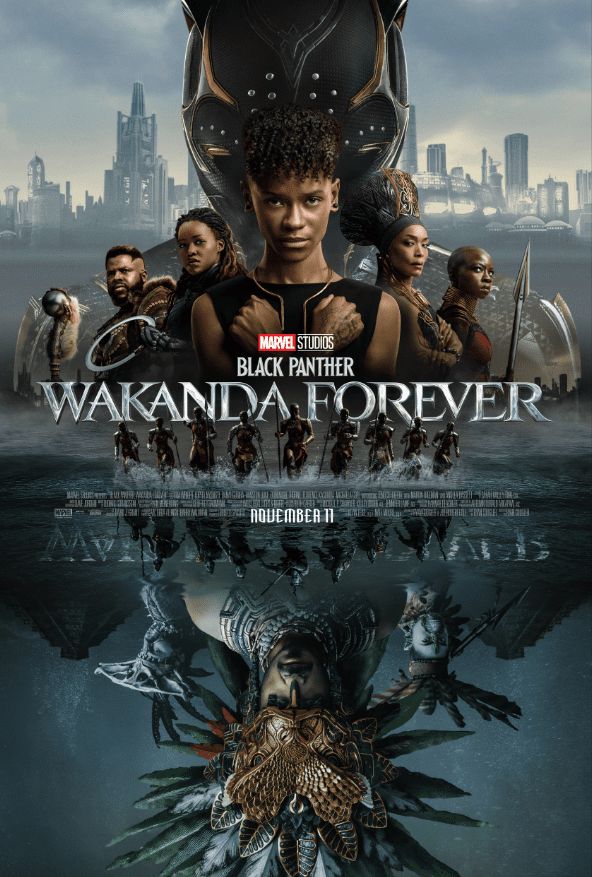
Space Jam: A New Legacy, starring LeBron James. Ryan Coogler returned to the civilization of Wakanda for the
Black Panther sequel,
Black Panther: Wakanda Forever (2022), starring
Letitia Wright,
Lupita Nyong’o, Danai Gurira,
Winston Duke, Martin Freeman, and
Angela Bassett.
Coogler’s production company, Proximity Media, was set to extend the Wakanda saga with
Ironheart, a series for the Disney+ streaming service. Coogler has also continued the
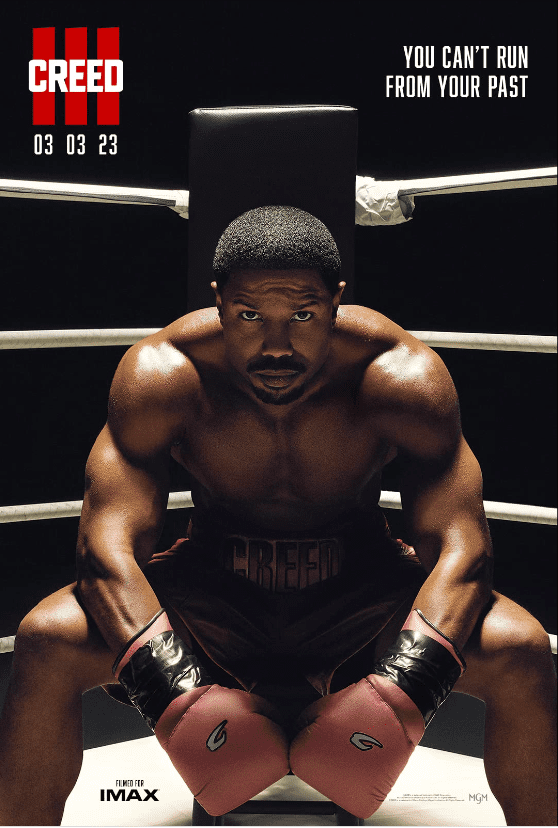
Creed franchise, executive producing
Creed II (2018) and writing the story for
Creed III (date to be announced, with Jordan as director and star.
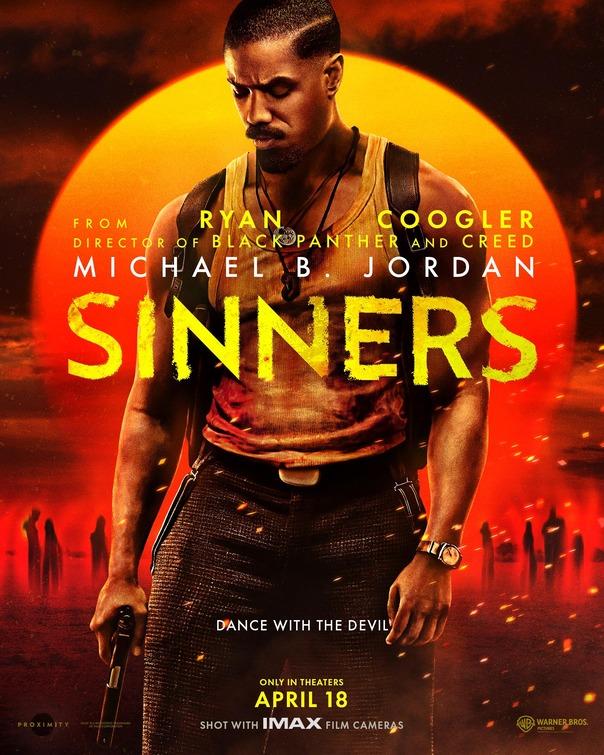
Ryan Coogler was director/writer/producer of his first foray into the horror-supernatural genre with the 1930s-set
Sinners (2025), again starring
Michael B. Jordan, with
Hailee Steinfeld, Miles Caton,
Jack O’Connell and Delroy Lindo, produced by Coogler’s company Proximity Media and released by Warner Bros. Coogler expanded his portfolio further via Proximity as producer only of both the provisionally titled
Untitled Prince Musical (date to be announced), written by Bryan Edward Hill and produced through Universal Pictures, as well as the 1920s Harlem-set fantasy,
Bitter Root (date to be announced), also co-written by Hill and directed by Regina King.