Sure to finish as a top contender in any contest for Most Likable Actor,
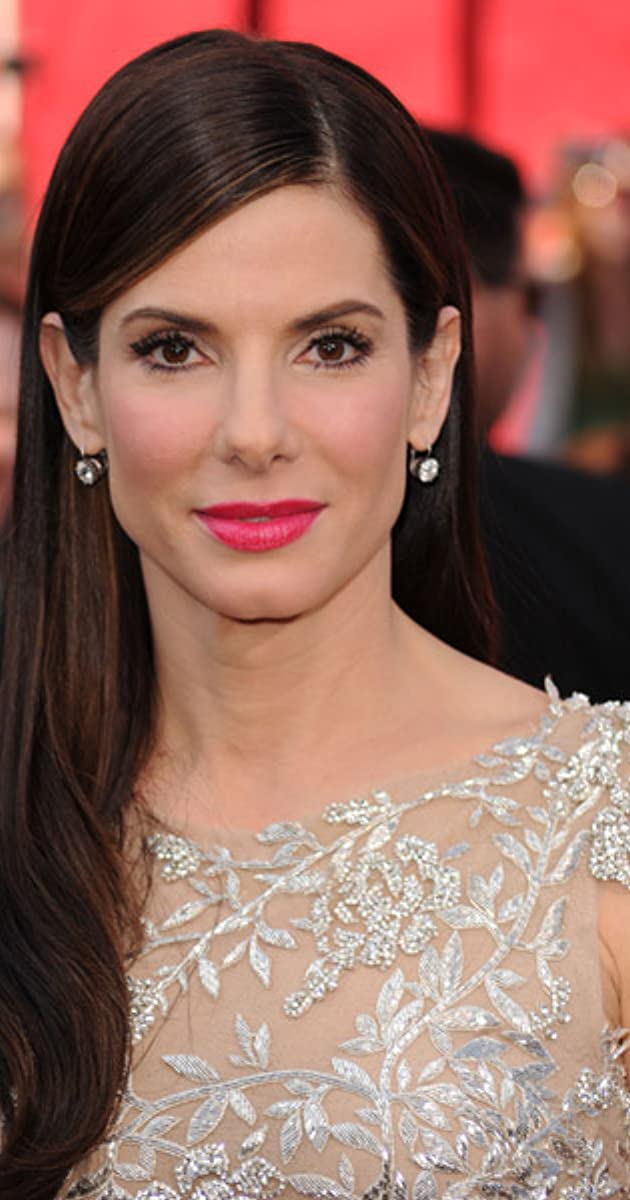
Sandra Bullock (birthname:
Sandra Annette Bullock) has enjoyed one of the most exemplary, professional, and long-running careers among women actors of her generation. Universally liked in the film business and out, Bullock is often unfairly pegged with the somewhat sexist moniker of “America’s Sweetheart,” when in fact her filmography suggests a far more complex and layered actor, capable of a solo tour-de-force like her Oscar-nominated performance as a stranded female astronaut in Alfonso Cuaron’s
Gravity (2013) as well as comic shadings in
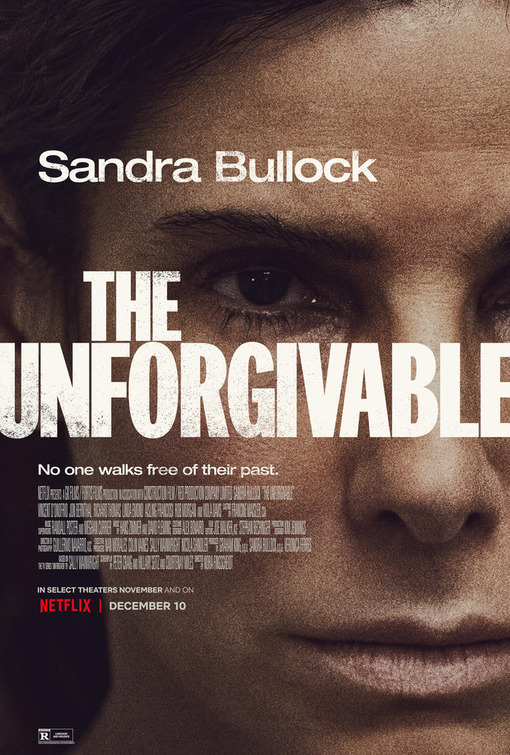
The Proposal (2009) and the grim prison drama of Netflix’s
The Unforgivable (1996).
Bullock’s box-office track record, spanning over 50 features and nearly 3 decades as a star or co-star, has earned her status as one of the highest-paid female actors in Hollywood (commanding up to $20 million per film) and is all the more remarkable since Bullock has periodically taken time off from work. Her box-office status—and durability--has been further solidified in 2022 with her starring role in one of the biggest hits of the spring,
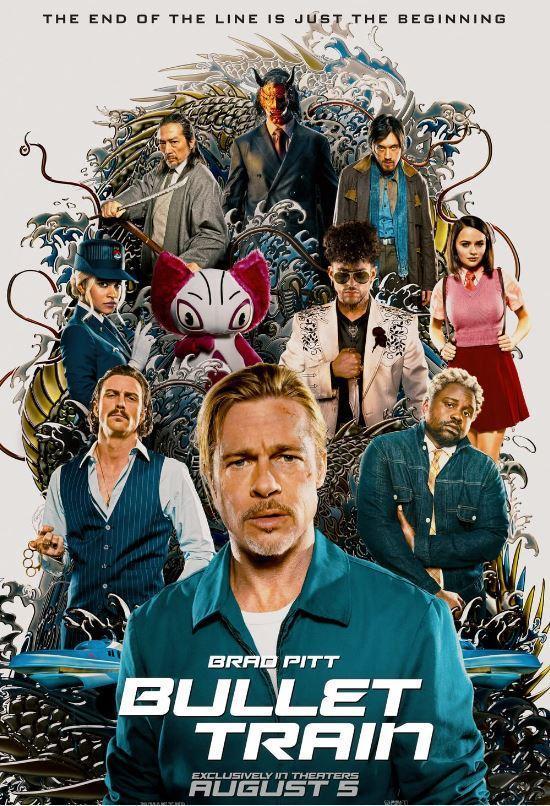
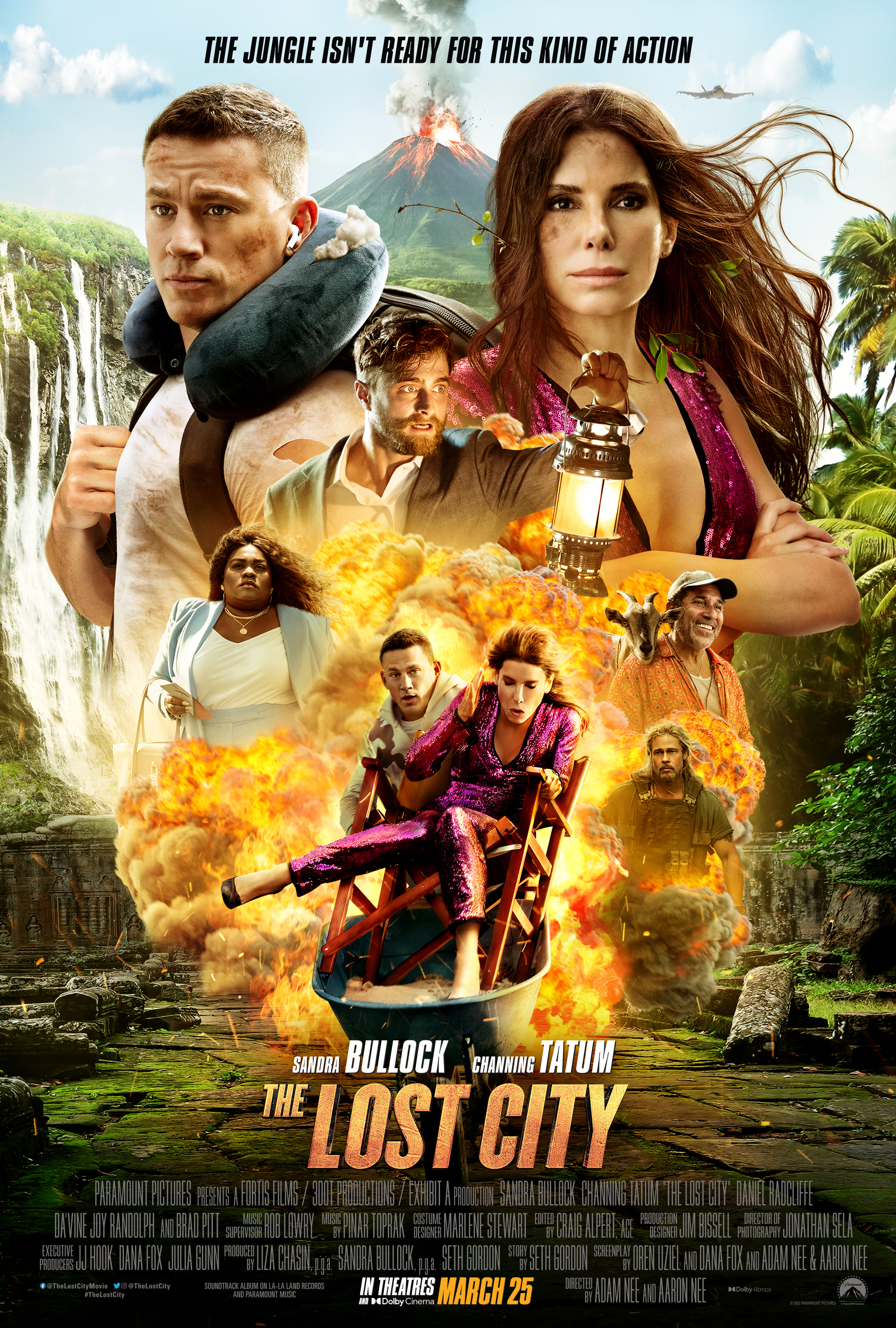
The Lost City (2022), Bullock’s first studio movie in four years. She followed this with the major summer 2022 release,
Bullet Train, with
Brad Pitt,
Zazie Beetz, and
Joey King.
Although Sandra Bullock is remembered for breaking out into major stardom with her wonderfully engaging turn in Jan de Bont’s Speed (1994), with Keanu Reeves, she had already made a strong impression on Off-Broadway, TV (the sitcom Working Girl, spinning off of the Mike Nichols film), and film, with strong turns in George Sluizer’s English-language remake of his Dutch original, The Vanishing (1993), with Jeff Bridges and Kiefer Sutherland; and in Peter Bogdanovich’s superb comedy, The Thing Called Love (1993), with River Phoenix and Dermot Mulroney, which marked Bullock’s singing debut on screen. Bullock won her first Golden Globe nomination for the rom-com, While You Were Sleeping (1995), another huge hit and the movie that established her as a rom-com queen.
Bullock shrewdly refused to be typecast, headlining Irwin Winkler’s thriller, The Net (1995) and co-starring (with her face above her male co-stars in the poster) with Matthew McConaughey and
Samuel L. Jackson in the John Grisham drama, A Time to Kill (1996). All of these films grossed nine figures, ensuring Bullock’s bankability. A failed Speed sequel (1997’s Speed 2) nevertheless allowed 20th Century Fox to back Bullock’s romantic drama, Hope Floats (1998), directed by
Forest Whitaker and co-starring Harry Connick Jr. Bullock’s first voice work was in Disney’s hit animated feature, The Prince of Egypt (1998).
After another rom-com hit with Ben Affleck in 1999 (Bronwen Hughes’ Forces of Nature), Sandra Bullock brought in the new century with one of her biggest hits, the crime comedy Miss Congeniality (2000), with Michael Caine, grossing $212 million worldwide—a huge number for a comedy. Bullock created the production company, Fortis Films, to produce and partner with studios on upcoming projects, including Kate & Leopold (2001), with Meg Ryan and
Hugh Jackman. Bullock alternated rom-coms like Two Weeks Notice (2002) with such dark thrillers as Barbet Schroeder’s Murder by Numbers (2002) and dramas like Paul Haggis’ Crash (2004), her first film to win the Best Picture Oscar.
A measure of Bullock’s growing clout was her $17.5 million paydays for Miss Congeniality 2: Armed and Fabulous (2005). Despite not appearing together on screen, Bullock and Keanu Reeves reunited for the commercial hit, The Lake House (2006), but she scored an even bigger hit—at $317 million globally—with the rom-com
The Proposal (2009), with Ryan Reynolds.
That same year, Bullock’s box office prowess grew (a global total of $309 million) with the John Lee Hancock drama, The Blind Side, which earned her the Best Actress Oscar, marking a satisfying validation of a supremely successful career. Indeed, Bullock was on an Oscar roll: After The Blind Side’s Oscar wins and nominations (including Best Picture), Bullock starred in Stephen Daldry’s 2011 adaptation of Jonathan Safran Foer’s novel, Extremely Loud & Incredibly Close, again nominated for the Best Picture Oscar.
Incredibly, after a two-year absence from the screen, Bullock starred in 2013 in two films that earned just under a combined $1 billion worldwide box office (the hit cop comedy with
Melissa McCarthy, The Heat) and was also back in the Oscar race: With arguably her greatest performance to date in Alfonso Cuaron’s extraordinary space drama, Gravity. Bullock was Oscar-nominated for Best Actress, her second, and one of ten for the film (it eventually won seven Oscars). The film earned $716 million worldwide, Bullock’s second-best box office success, surpassed by her next film, the surprise animated blockbuster,
Minions (2015), with
Steve Carell, earning $1.1 billion globally.
Although a rare commercial misfire for Bullock, the political comedy
Our Brand Is Crisis (2015), showed her in flinty, fiery exchanges with arch-nemesis Billy Bob Thornton. Bullock starred in the frothy all-female remake,
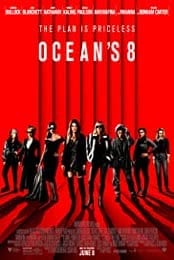
Ocean’s 8 (2018), with
Cate Blanchett, marking a new shift, in which Bullock began making (as star and producer) tough-minded, difficult dramas for streaming—such as the hit Netflix post-apocalyptic
Bird Box (2018) and the grim, effective The Unforgivable (2021)—and light entertainments for the big screen, such as Ocean’s 8 and the smash 2022 comedy-adventure romp, The Lost City, with
Channing Tatum, which has scored nearly $200 million worldwide.