

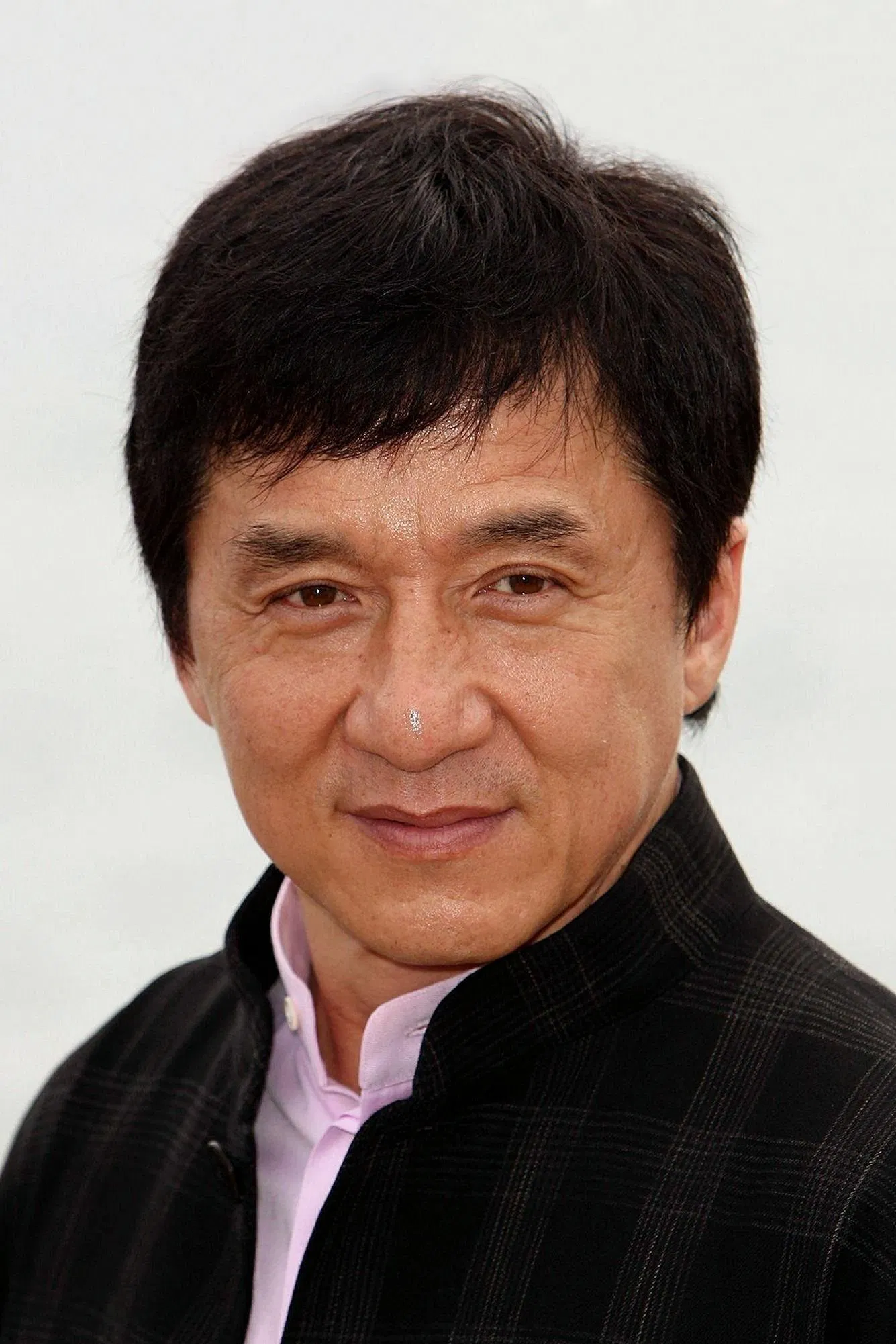
Jackie Chan
Birthdate: April 7, 1954 (72 Years Old)
Birthplace: Formerly British Hong Kong
Personal life







Jackie Chan Movies
Actor
Previous (24)
- 2024 |
Panda Plan
asJackie
International action superstar Jackie Chan is involved in a rescue operation of a beloved zoo panda named Hu Hu.
- 2023 |
Teenage Mutant Ninja Turtles: Mutant Mayhem
asSplinter
Teenage Mutant Ninja Turtles: Mutant Mayhem
The Turtle brothers work to earn the love of New York City while facing down an army of mutants.
- 2023 |
- 2020 |
- 2019 |
Police Story
asChan Ka Kui
A virtuous Hong Kong Police Officer must clear his good name when the drug lord he is after frames him for the murder of a dirty cop.
- 2019 |
The Climbers
asOld Yang Guang (Guest Appearance in Post Credit Scene)
The four members of the China Everest Climbing Commando confront the most difficult mount. The first four failures have cost them too much physical strength until the wind and snow stop the gap.
- 2018 |
- 2017 |
The Foreigner
asQuan Ngoc Minh
A humble businessman with a buried past seeks justice when his daughter is killed in an act of terrorism. A cat-and-mouse conflict ensues with a government official, whose past may hold clues to the killers' identities.
- 2017 |
The Lego Ninjago Movie
asMaster Wu
Shunned by everyone for being the son of an evil warlord, a teenager seeks to defeat him with the help of his fellow ninjas.
- 2017 |
The Nut Job 2: Nutty by Nature
asMr. Feng
The Nut Job 2: Nutty by Nature
A group of squirrels try to stop a mayor from destroying the park where they live to make way for a dysfunctional amusement park.
- 2017 |
Earth: One Amazing Day
asNarrator
From BBC Earth Films, the studio that brought you Earth, comes the sequel - Earth: One Amazing Day, an astonishing journey revealing the awesome power of the natural world. Over the course of one single day, we track the sun from the highest mountains to the remotest islands to e... Read all
- 2017 |
Kung Fu Yoga
asJack
Two professors team up to locate a lost treasure and embark on an adventure that takes them from a Tibetan ice cave to Dubai, and to a mountain temple in India.
- 2017 |
Railroad Tigers
asMa Yuan
A railroad worker in China in 1941 leads a team of freedom fighters against the Japanese in order to get food for the poor.
- -- | as Insp. Chan Ka Kui
- -- | as Mr. Han
- -- | as Monkey
- -- | as Insp. Chan Ka Kui
- -- | as Monkey
- -- | as Mr. Han
- -- | as Lee
- -- | as Lee
- -- | as Monkey
- -- | as Ren Jiqing
- -- | as Jackie